Draw the Shear and Moment Diagrams for the Beam Chegg
Affiliate nine
Influence Lines for Statically Determinate Structures
9.i Introduction
Structures such as bridges and overhead cranes must be designed to resist moving loads too as their own weight. Since structures are designed for the critical loads that may occur in them, influence lines are used to obtain the position on a construction where a moving load will cause the largest stress. Influence lines can exist divers as a graph whose ordinates show the variation of the magnitude of a sure response function of a structure as a unit load traverses across the structure. Response functions of a construction may include axial forces in members, support reactions, angle moments, shear forces, and deflection at specific points in the structure.
It is very important to emphasize the need for students to fully grasp the afore-stated definition, since nigh of the confusion and difficulty encountered when drawing influence lines stems from a lack of agreement of the difference between this topic and the bending moment and shearing strength topics detailed in chapter four. A shearing strength or bending moment diagram shows the magnitude of the shearing force or bending moments at dissimilar points of the structure due to the static or stationary loads that are interim on the structure, while the influence lines for sure functions of a structure at a specified point of the structure show the magnitude of that function at the specified signal when a unit moving load traverses beyond the construction. The influence lines of determinate structures can be obtained by the static equilibrium method or by the kinematic or Muller-Breslau method. Influence lines by the static equilibrium method are referred to as quantitative influence lines, equally they require some calculations, while those by kinematic method are known as the qualitative influence lines, as the method enables the analyzer to obtain the right shape of the influence lines without any quantitative efforts. In the subsequent sections, students volition consider how to construct the influence lines for beams and trusses using these two methods.
nine.two Influence Lines for Statically Determinate Beams by Static Equilibrium Method
To grasp the bones concept of influence lines, consider the elementary beam shown in Effigy 9.1a. Statics help to decide the magnitude of the reactions at supports A and B, and the shearing force and angle moment at a section n, as a unit of measurement load of arbitrary unit, moves from correct to left.
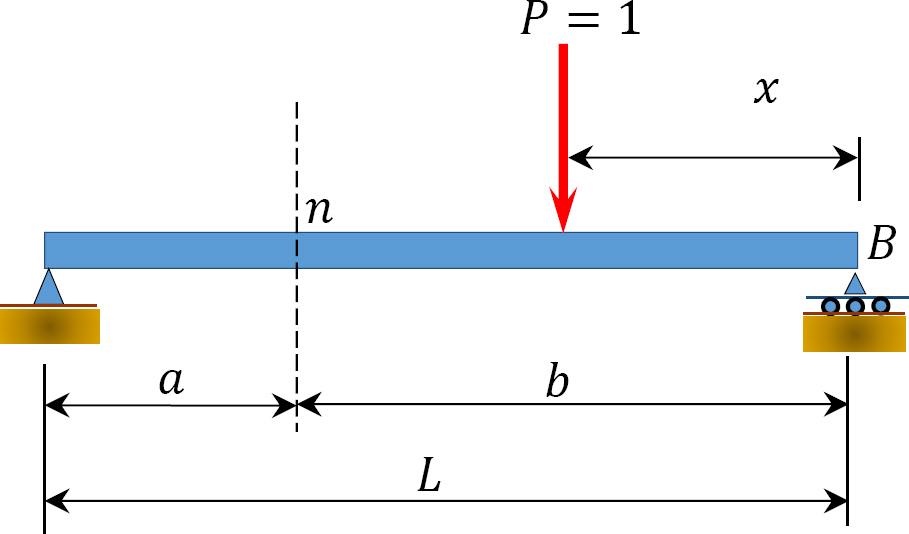
Fig. 9.1a. Simple beam.
nine.ii.i Axle Reactions
Taking the moment nearly B as the unit load moves a distance ten from the right-hand end suggests the following:

Setting P = 1 suggests the following:

Equation 9.ii is the expression for the ciphering of the influence line for the left-stop reaction of a simply supported beam. The influence line for R A tin can be represented graphically by putting some values of x into the equation. Since the equation is linear, two points should be enough.
When 10 = 0, R A = 0
When x = L, R A = 1
The graphical representation of the influence line for R A is shown in Effigy ix.1b, and the ordinate of the diagram corresponding to any value of 10 gives the magnitude of R A at that indicate.
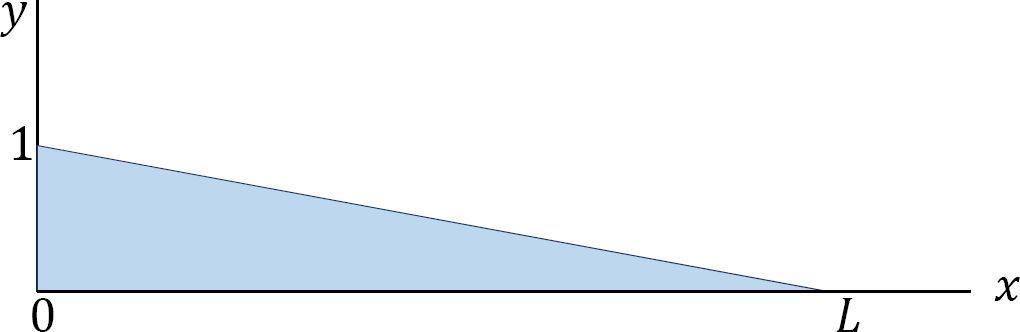
Fig. 9.1b. Influence line for R A .
Similarly, the expression for the influence line for the reaction R B is constitute past taking the moment most A.

Setting P = i into equation 9.3 suggests the following:

Equation 9.4 is the expression for the computation of the influence line for the right-cease reaction of a merely supported beam. Substituting some values for ten into the equation helps to construct the influence line diagram for RB .
When x = 0, R B = ane
When ten = Fifty, R B = 0
The graphical representation of the influence line for R B is shown in Figure 9.1c.
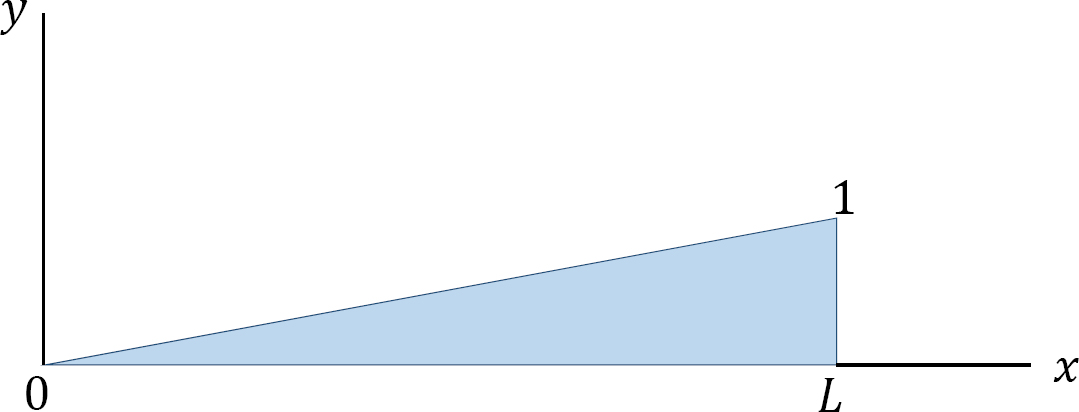
Fig. 9.1c. Influence line for R B .
9.2.2 Shearing Force at Section northward
When the unit load is on the right side of the section, the shear strength at the department tin exist computed considering the transverse forces on the left side of the section, as follows:
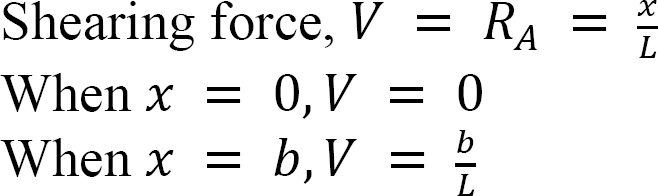
When the unit load is on the left side of the section, it is easier to compute the shear strength in the section by considering the forces on the right side of section, as follows:
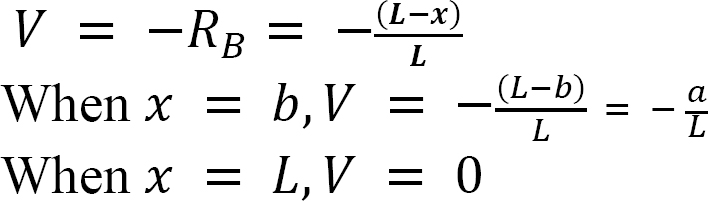
The graphical representation of the influence line for the shearing force at a section north of the simple beam is shown in Figure ix.1d.

Fig. nine.1d. Influence line for shear at section north.
nine.2.3 Angle Moment at a Section north
When the unit load is on the correct side of the department, the bending moment at the department tin be computed every bit follows:
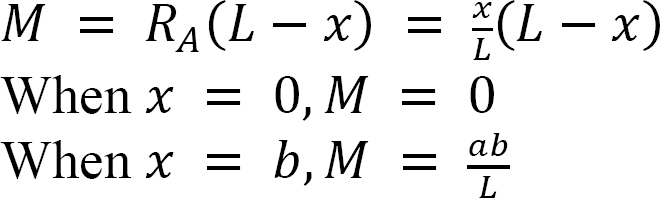
When the unit load is on the left side of section, the bending moment at the section tin be computed as follows:
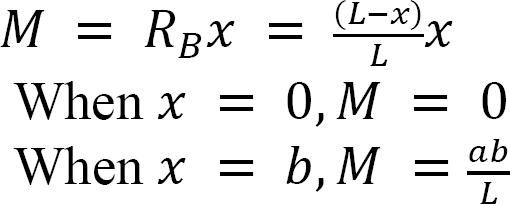
The graphical representation of the influence line for the bending moment at a section northward of the simple beam is shown in Figure nine.1e.
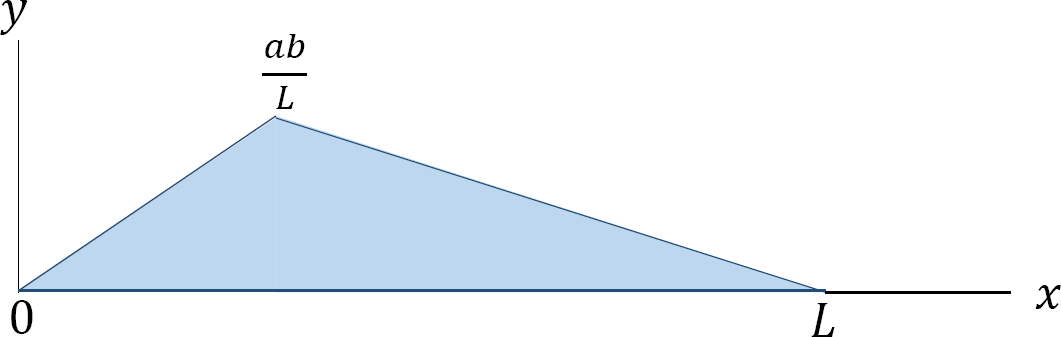
Fig. 9.1e. Influence line for moment at department north.
nine.3 Structure of Influence Lines
In practice, influence lines are mostly synthetic, and the values of the functions are determined by geometry. The procedure for the construction of influence lines for simple beams, chemical compound beams, and trusses volition be outlined below and followed past a solved example to clarify the trouble. For each example, one example volition be solved immediately after the outline.
9.3.1 Simple Beams Supported at Their Ends
The procedures for the construction of the influence lines (I.L.) for some functions of a beam supported at both ends are every bit follows:
9.three.one.one Influence Line for Left End Support Reaction, R A (Fig. ix.ii)
(a)At the position of the left end back up (point A), along the y-centrality, plot a value +1 (point A′).
(b)Describe a line joining point A′ and the zero ordinate at point B. Betoken B is at the position of support B.
(c)The triangle AA′B is the influence line for the left-end support reaction. The idea hither is that when the unit load moves across the beam, its maximum effect on the left-cease reaction volition exist when it is directly lying on the left finish back up. As the load moves away from the left end support, its influence on the left finish reaction will continue to diminish until information technology gets to the least value of aught, when it is lying directly on the right terminate support.
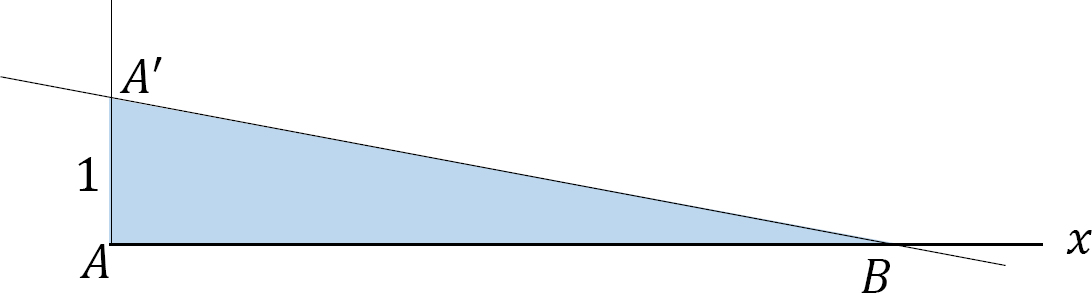
Fig. 9.2. Influence line for RA .
ix.3.1.two Influence Line for Correct Terminate Support Reaction RB (Fig. 9.3)
(a)At the right end back up (point B), plot an ordinate of value +1 (point B′).
(b)Draw a line joining signal B′ and bespeak A.
(c)The triangle AB′B is the influence line for the right stop back up reaction. The explanation for the influence line for the right end support reaction is like to that given for the left stop back up reaction. The maximum result of the unit load occurs when it is lying direct on the right support. Every bit the load moves away from the right cease support, its influence on the back up reaction decreases until it is zip, when the load is direct lying on the left support.
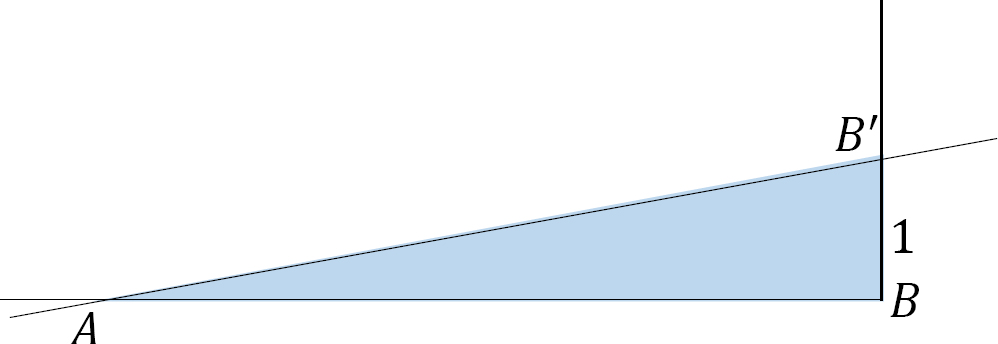
Fig. 9.3. Influence line for RB .
9.3.1.three Influence Line for Shearing Force at Section n
(a)At the left end back up (point A), plot an ordinate equal +one (point A′), as shown in Effigy nine.4b.
(b)Draw a line joining point A′ and the aught ordinate at point B.
(c)At the right end support (point B), plot an ordinate equal –1 (signal B′).
(d)Draw a line joining B′ and the zero ordinate at point A.
(e)Drop a vertical line from the section under consideration to cut lines A′B and AB′at points N′and N″, respectively.
(f)The diagram ABN′North″ is the influence line of the shear force at the department n.
(1000)Apply a like triangle to decide the ordinates n-N' and north-North," as follows:
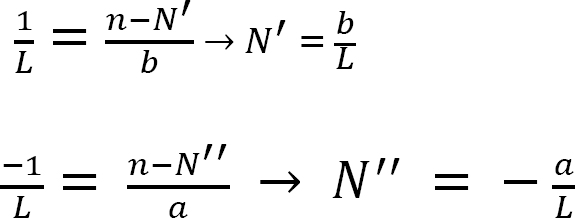
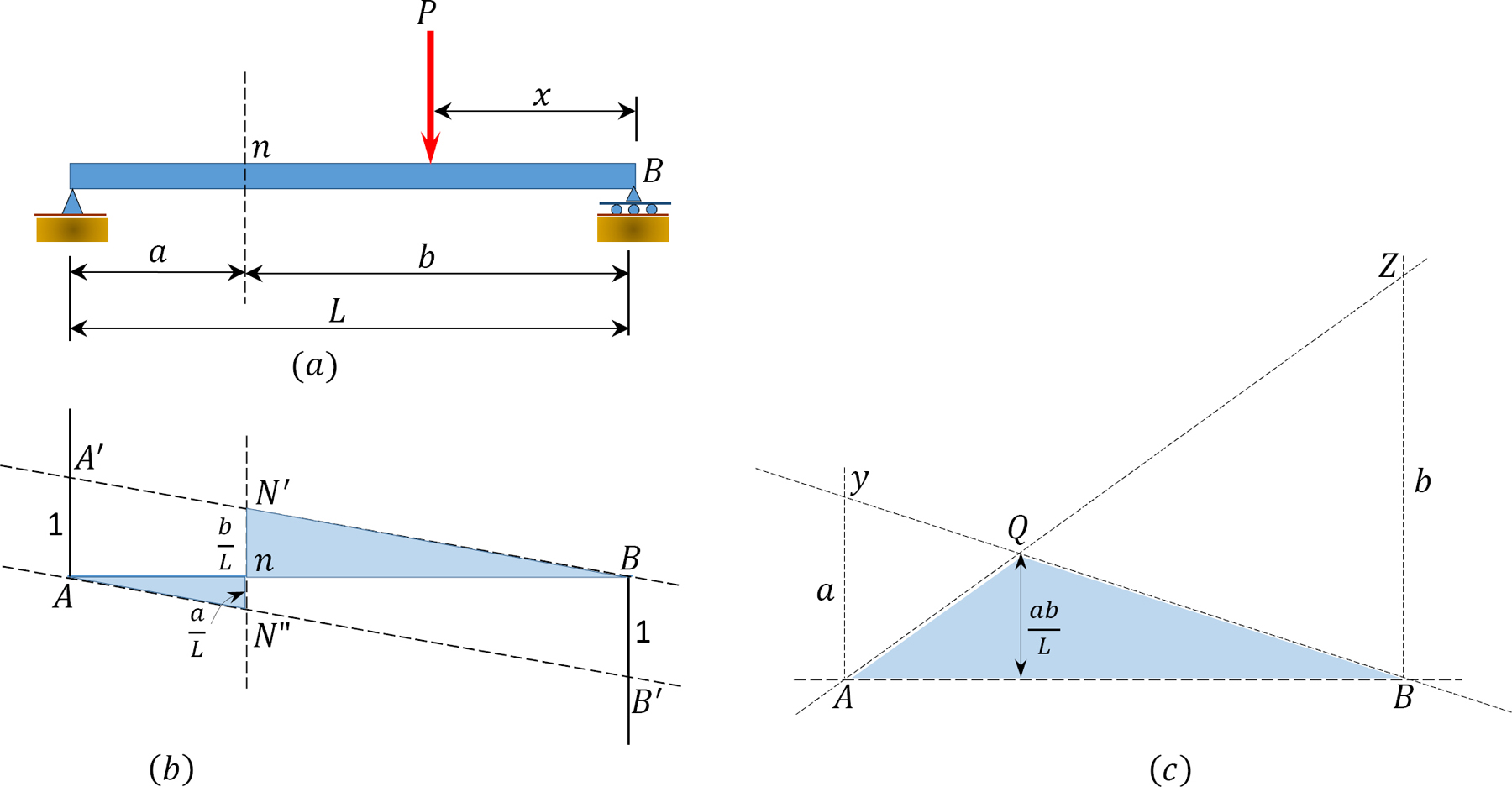
Fig. 9.4. Influence line for shear (b) and moment (c) at secton thousand.
nine.iii.one.4 Influence Line for Bending Moment at Department n
(a)At the left end support (point A), plot an ordinate of a value equal to the distance from the left end support to the section n. For example, the altitude a in Figure 9.4c (denoted as point Y in Figure 9.4c).
(b)Draw a line joining indicate Y and the naught ordinate at point B at the right end support.
(c)Draw a vertical line passing through section n and intersecting the line AZ at bespeak Q.
(d)Draw a straight line AQ connecting A and Q.
(e)The triangle AQB is the influence line for the moment at section n. Alternatively, ignore steps (b), and (c) and (d) and become to stride (f).
(f)At the right end support (point B), plot an ordinate equal +b. For example, the distance from the right end back up to the section n (denoted equally point Z).
(g)Describe a line joining Z and the nada ordinate at A (position of the left end support).
(h)At the left end support (point A), plot an ordinate equal +a. For example, the distance from the left end support to the section n (denoted signal Y).
(i)Depict a line joining Y and the zip ordinate at B (position of the right stop back up).
(j)Lines AZ and BY intersect at Q.
(k)The triangle AQB is the influence line for the moment at section n. If accurately fatigued, with the right sense of proportionality, the intersection Q should lie directly on a vertical line passing through the section due north.
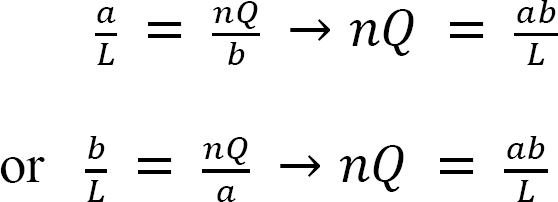
(l)The value of the ordinate nQ tin can be obtained using a like triangle, every bit follows:
Example 9.1
For the double overhanging beam shown in Figure 9.5a, construct the influence lines for the back up reactions at B and C and the shearing force and the bending moment at department north.
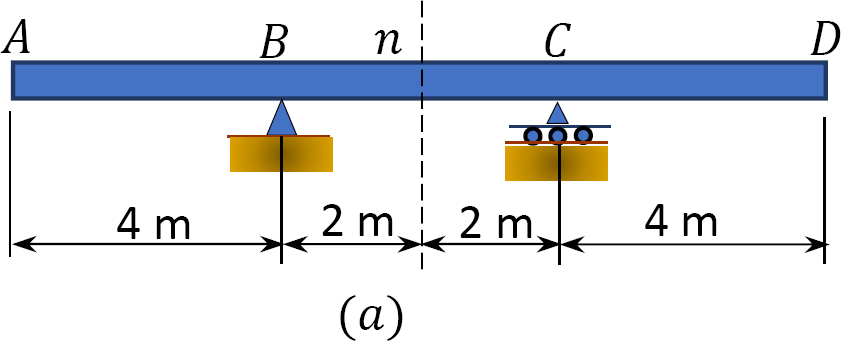
Fig. 9.5. Double overhanging beam.
Solution
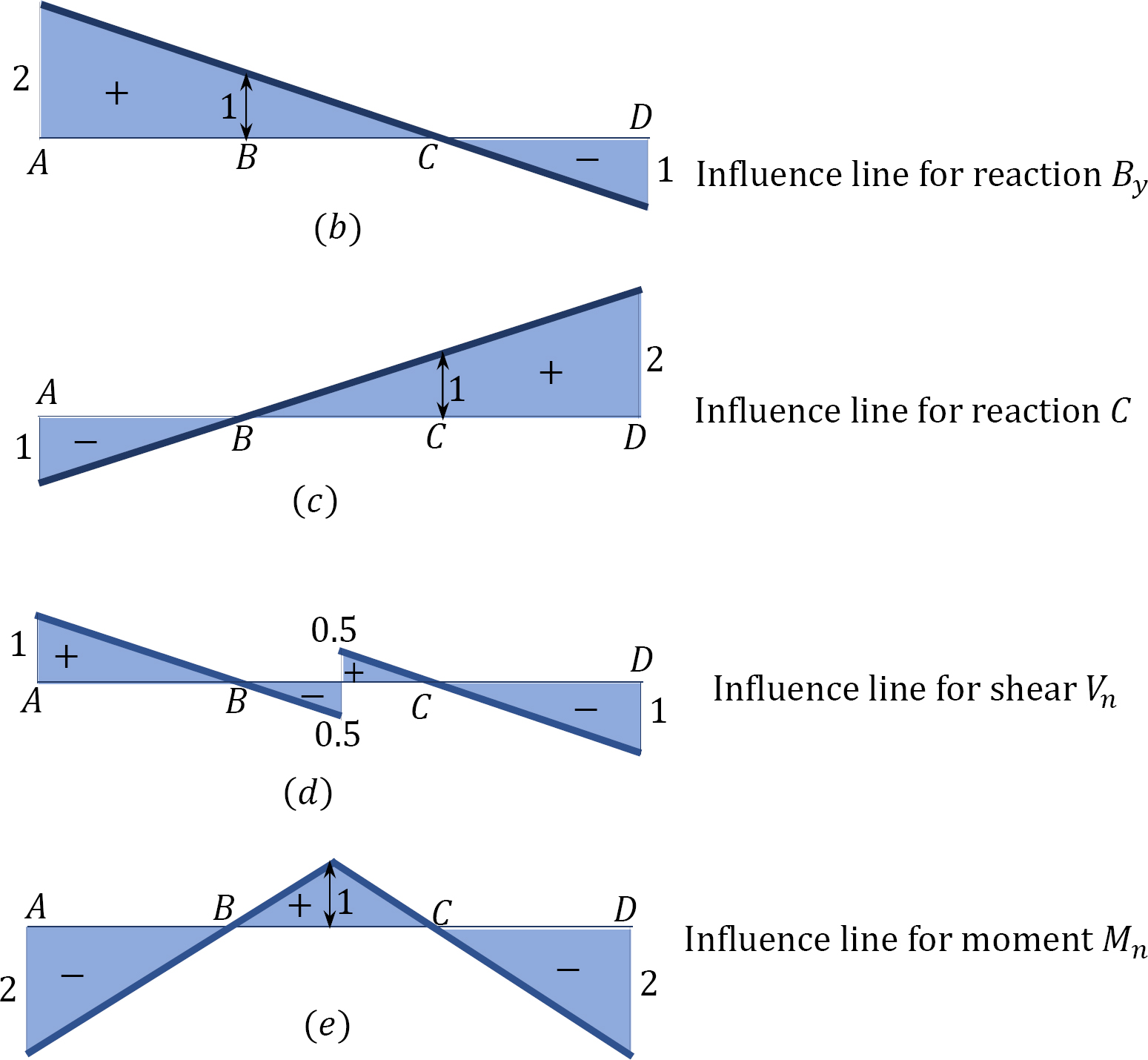
I.L. for By.
Step 1. At the position of support B (point B), plot an ordinate +i.
Step 2. Draw a straight line connecting the plotted point (+1) to the zero ordinate at the position of support C.
Step 3. Continue the directly line in step 2 until the cease of the overhangs at both ends of the beam. The influence line for B y is shown in Figure ix.5b.
Step 4. Make up one's mind the ordinates of the influence line at the overhanging ends using a similar triangle, equally follows:
Ordinate at A:

Ordinate at D:

I.L. for Cy.
Step 1. At the position of support C (signal C), plot an ordinate +one.
Stride ii. Describe a straight line connecting the plotted point (+1) to the nothing ordinate at the position of back up B.
Step iii. Continue the directly line in step two until the end of the overhangs at both ends of the beam. The influence line for B y is shown in Effigy nine.5c.
Step four. Make up one's mind the ordinates of the influence line at the overhanging ends using a similar triangle, as follows:
Ordinate at D:

Ordinate at A:

I.50. for shear Vn.
Step ane. At the position of support B (point B), plot an ordinate +1.
Stride 2. Depict a directly line connecting the plotted point (+1) to the zero ordinate at the position of support C. Go along the straight line at C until the end of the overhang at end D.
Footstep 3. At the position of support C (signal C), plot an ordinate –1.
Pace iv. Draw a straight line connecting the plotted point (–1) to the zero ordinate at the position of support B. Continue the straight line at B until the end of the overhang at end A.
Pace 5. Draw a vertical passing through the section whose shear is required to intersect the lines in step 2 and step 3.
Step six. Connect the intersections to obtain the influence line, as shown in Figure 9.5d.
Step 7. Determine the ordinates of the influence lines at other points by using similar triangles, as previously demonstrated.
I.Fifty. for Moment Yardn.
Pace 1. At point B, plot the ordinate equal +2 grand.
Pace 2. Depict a straight line connecting the plotted ordinate in step 1 to the zero ordinate in back up C.
Footstep three. At signal C, plot the ordinate equal +2 thou.
Step 4. Draw a straight line connecting the plotted ordinate in step 3 to the zero ordinate at support B.
Step 5. Continue the straight lines from the intersection of the lines fatigued in steps 2 and 4 through the supports to the overhanging ends, as shown in Figure 9.5e.
Step six. Determine the values of the influence lines at other points using similar triangles, every bit previously demonstrated.
Example 9.ii
For the beam with one finish overhanging back up B, equally shown in Figure 9.vi, construct the influence lines for the angle moment at support B, the shear force at back up B, the back up reactions at B and C, and the shearing force and the bending moment at a department "k."
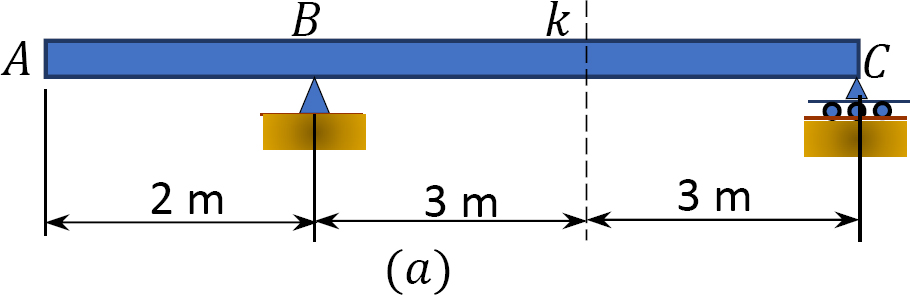
Fig. 9.6. Beam with ane overhanging support.
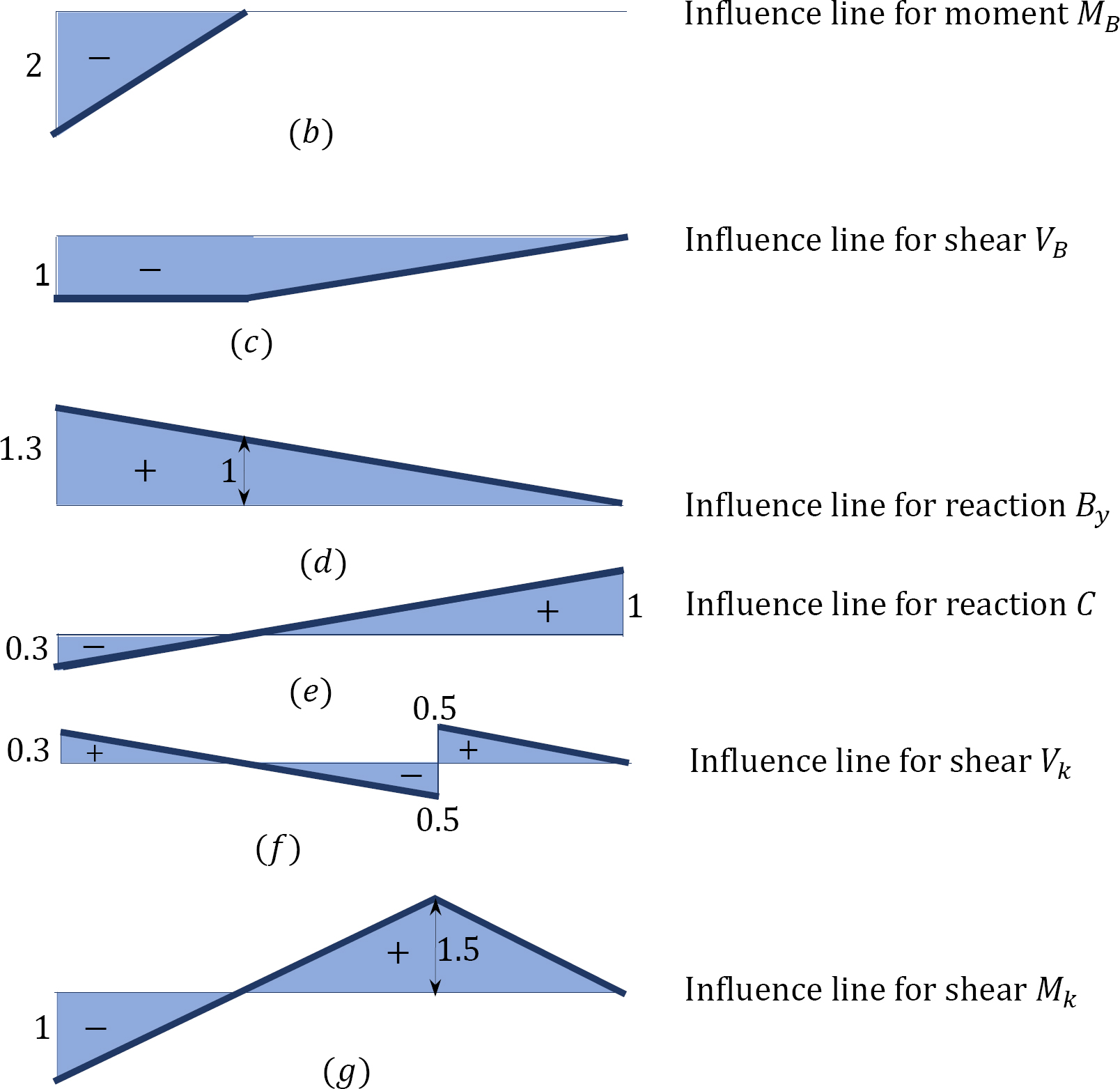
Solution
The influence lines in instance 9.2 for the desired functions were synthetic based on the procedure described in the previous section and example.
9.3.2 Compound Beams
To correctly depict the influence line for any office in a compound axle, a skilful understanding of the interaction of the members of the beam is necessary, as was discussed in chapter three, section 3.three. The student should recall from the previous section that a compound axle is made up of the primary structure and the gratis structure. The 2 facts stated beneath must e'er be remembered, since the extent of the spread of the influence line of chemical compound beams depends on them. Remembering these facts volition besides serve as a temporary check to ascertain the correctness of the drawn influence line.
The moving unit load volition have an issue on the functions of the primary structure when information technology is located at any point, not only on the primary structure simply also on the costless structure, since the latter constitutes a loading on the quondam.
The moving unit load volition have upshot but on the functions of the complimentary structure when it is located within the complimentary structure; information technology will not have an event on any part of the costless structure when it is at any point on the main structure.
The afore-stated facts volition exist demonstrated in the following examples.
Instance 9.3
For the chemical compound beam shown in Effigy 9.7, construct the influence lines and indicate the critical ordinates for the support reactions at A, B, and D, the angle moment at B, and the shear at hinge C.

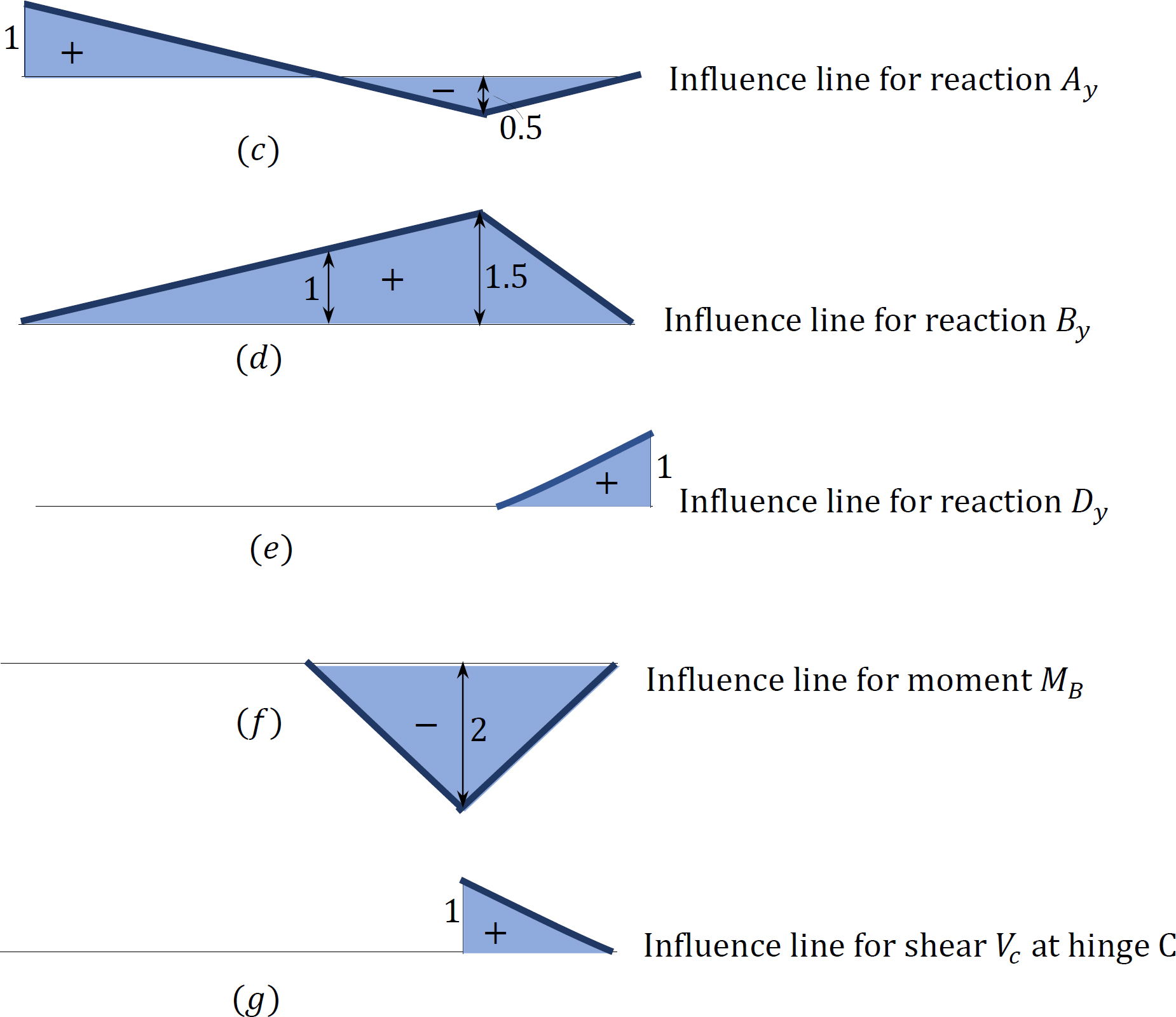
Fig. 9.7. Chemical compound beam.
Solution
Prior to the structure of the influence lines for desired functions, it is necessary to first discover the extent of the influence lines through the schematic diagram of member-interaction, as shown in Figure 9.7b.
I.Fifty. for A y . The reaction A y is a function in the main structure, then the unit load will have influence on this function when it is located at any signal on the axle, as was previously stated in department 9.3.ii. With this understanding, construct the influence line of A y , as follows:
Step one. At bespeak A, plot an ordinate +1.
Step two. Draw a directly line connecting the plotted ordinate in footstep i to the zero ordinate in back up B and continue this line until the terminate of the overhanging terminate of the chief structure, as shown in the interaction diagram.
Step three. Draw a direct line connecting the ordinate at the cease of the overhang to the nothing ordinate at back up D. The influence line is as shown in Figure ix.7c.
Step 4. Use a similar triangle to compute the ordinates of the influence line
I.L. for By. The influence line for this reaction will cover the entire length of the axle because it is a back up reaction in the primary structure. With this knowledge, construct the influence line for B y , as follows:
Step 1: At point B, plot an ordinate +1.
Step 2. Depict a straight line connecting the plotted ordinate in step i to the zip ordinate in support A. Continue the line in support B until the cease of the overhanging finish of the primary structure, as shown in the interaction diagram.
Stride iii. Draw a direct line connecting the ordinate at the overhanging cease to the zero ordinate at support D. The influence line for B y is shown in Effigy nine.7d.
Pace 4. Use a like triangle to make up one's mind the values of the ordinate of the influence line.
I.L. for Dy . The reaction Dy is a function in the complimentary structure and volition be influenced when the unit of measurement load lies at any indicate along the complimentary structure. It will not be influenced when the unit of measurement load transverses the master construction, as was stated in section 9.3.2. Thus, the extent of the influence line will be the length of the complimentary structure. Knowing this, draw the influence line for Dy .
Pace i. At point D, plot the ordinate +ane.
Step 2. Describe a straight line connecting the plotted ordinate in step 1 to the zero ordinate at hinge C. The influence line for Dy is as shown in Figure 9.7e.
The influence lines for the moment at B and the shear C are shown in Effigy 9.7f and Effigy 9.7g, respectively.
Example ix.four
For the compound beam shown in Figure nine.8a, construct the influence lines and indicate the critical ordinates for the support reactions at F and G, the shear force and bending moment at D, and the moment at F.


Fig. 9.viii. Compound beam.
Solution
Shown in Figure 9.8c through Effigy ix.8g are the influence lines for the desired functions. The schematic diagram of the member interaction shown in Figure 9.8b immeasurably aids the initial perception of the range of the influence line of each function. Construction of the influence lines follows the clarification outlined in the previous sections.
9.three.3 Influence Lines for Girders Supporting Flooring Systems
Thus far, the examples and text accept just considered cases where the moving unit load is applied direct to the structure. Only, in exercise, this may not always be the case. For case, sometimes loads from edifice floors or bridge decks are transmitted through secondary beams, such equally stringers and cross beams to girders supporting the building or bridge floor system, as shown in Effigy ix.9. Columns, piers, or abutments in turn support the girders.
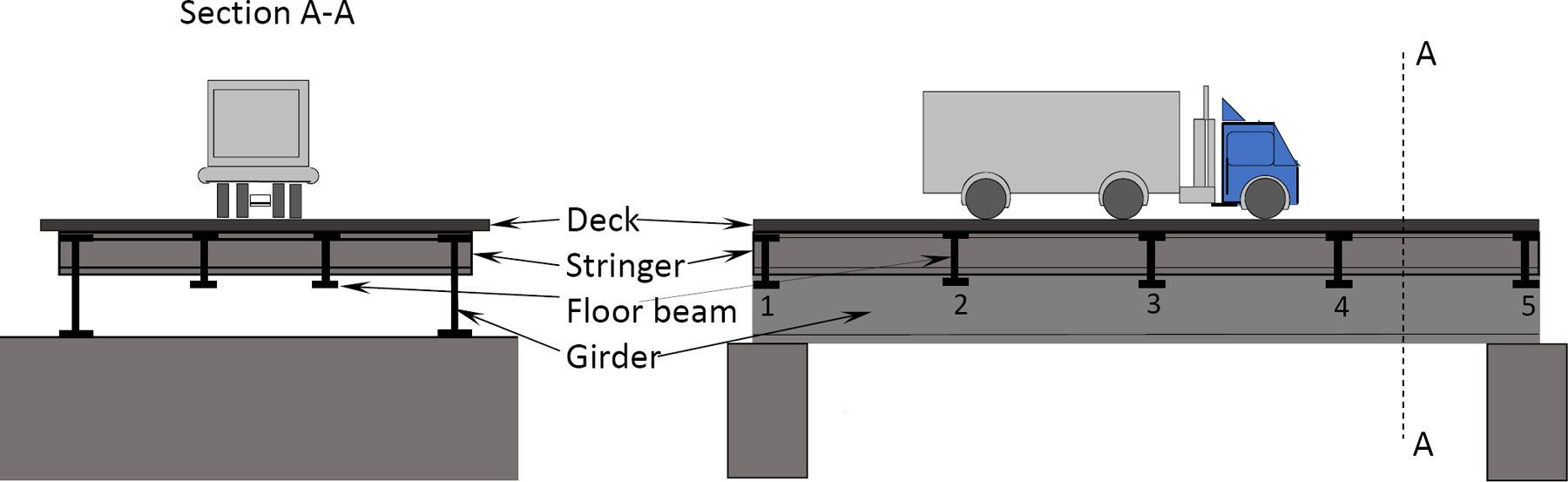
Fig. ix.nine. Transfer of load to girder by organization of stringers and floor beams.
As shown in Figure 9.9, the vehicular load from the bridge deck is transferred to the girder at points 1, 2, 3, 4, and five, referred to as panel points, where the flooring beams are in contact with the girder. The segment between two successive contact points is known as a panel. For an illustration of the construction of influence lines in a instance of indirect application of loads, the floor beams and the girder of Effigy 9.9 are separated from the entire organization, as shown in Effigy 9.10. Assume the length of each panel equals 4m. Construct the influence lines for the moment at betoken 4 and for the moment and shear at a section north at the midpoint of 3 and iv (a point lying within panel 3-4). The influence line for the moment at indicate iv is shown in Figure 9.10b; notice that the construction of the influence line for moment at this signal is exactly like the cases considered in previous sections, where the moving load is applied directly to the beam. When the unit of measurement load moves to the correct of four and to the left of 3, the influence line for the moment for any section inside panel 3-4 volition be constant, as shown in Effigy nine.10c. The construction of the influence line for the shear of any section within the panel 3-4 is obtained in the aforementioned way as when the unit load is directly applied to the girder, with the exception that a diagonal line is drawn to connect the points where a vertical line fatigued from the points intersect with the construction line.
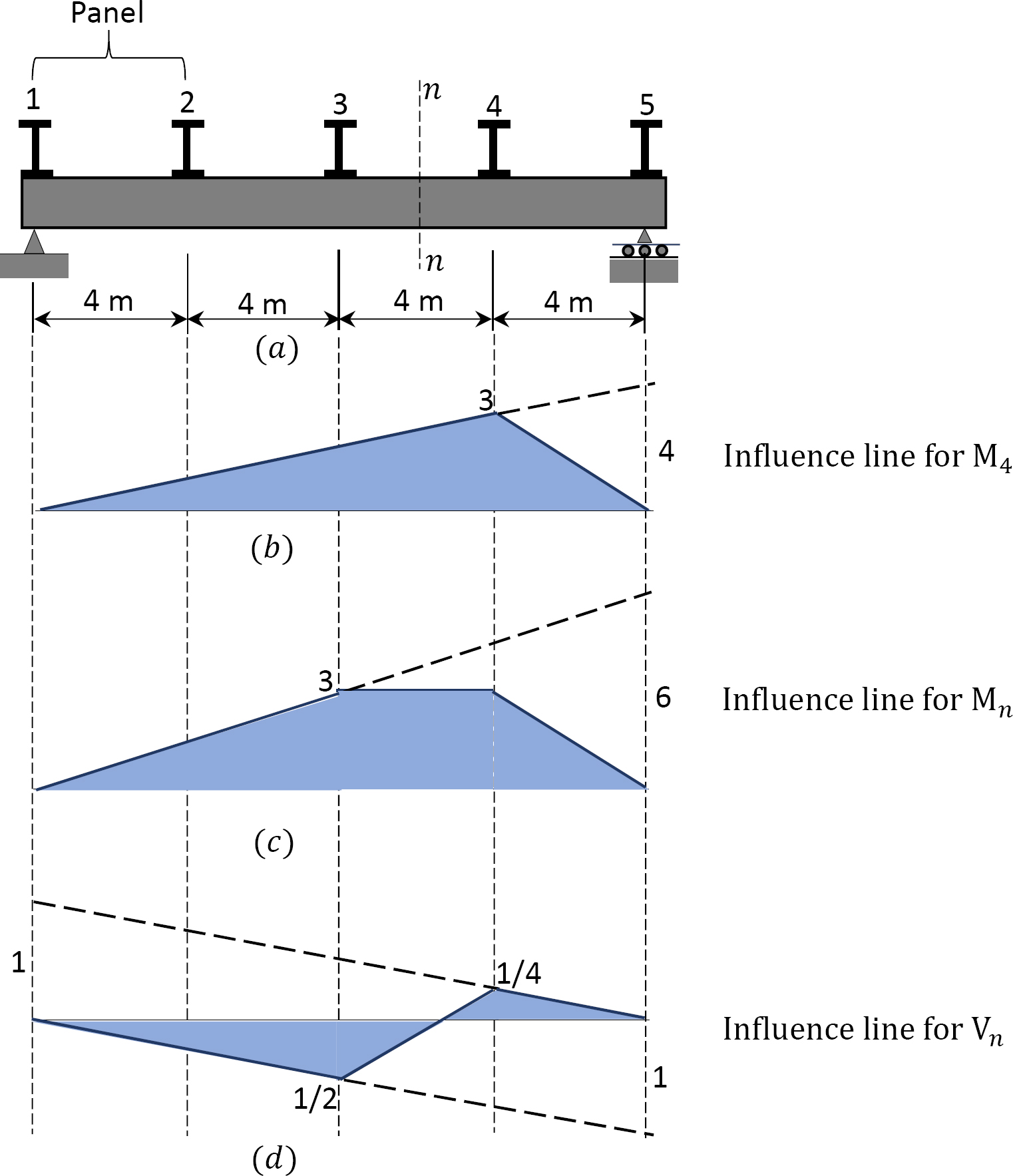
Fig. nine.10. Influence lines in a case of indirect application of loads.
Instance 9.v
Draw the influence lines for the moment at C and the shear in panel BC of the flooring girder shown in Figure nine.xi.
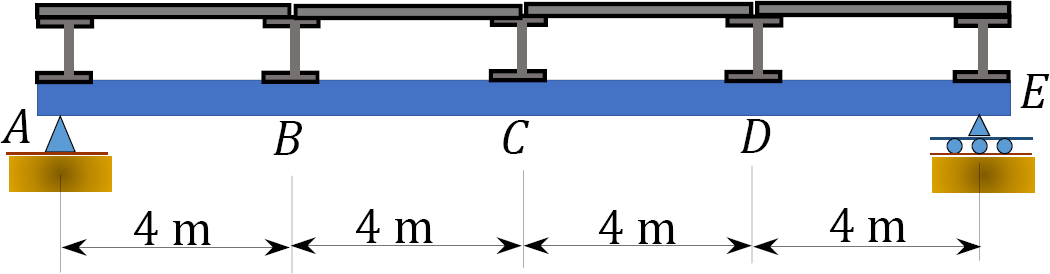
Fig. ix.11a. Floor girder.
Solution
Influence line for Thousand C . To obtain the values of the influence line of GC , successively locate a load of 1 kN at panel points A, B, C, D, and Due east. To make up one's mind the moment, employ the equation of statics. The values of MC at the respective panel points are presented in Table 9.one. When the unit load is located at B, as shown in Figure 9.11b, the value of MC is determined equally follows:
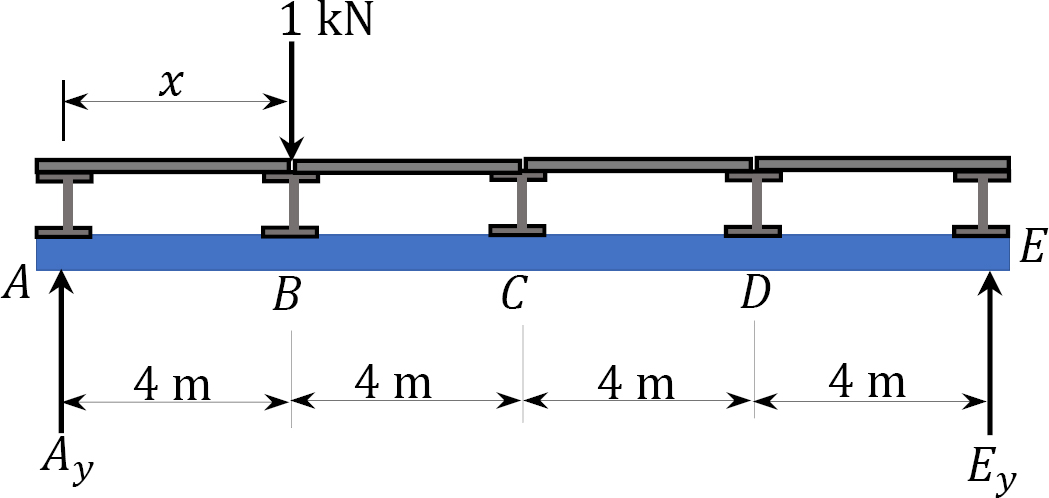
Fig. 9.11b. Unit load at B.
First, determine the support reactions in the beam using the equation of static equilibrium.

Then, using the computed reaction, make up one's mind ThousandC , as follows:
Mc = 0.25(12) = 3 kN – m
Table ix.1. The values of ChiliadC at the respective panel points.
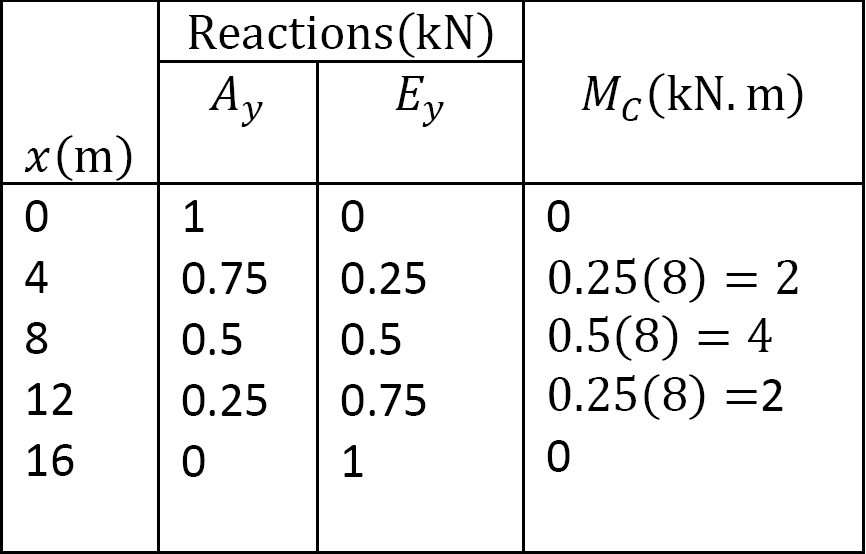
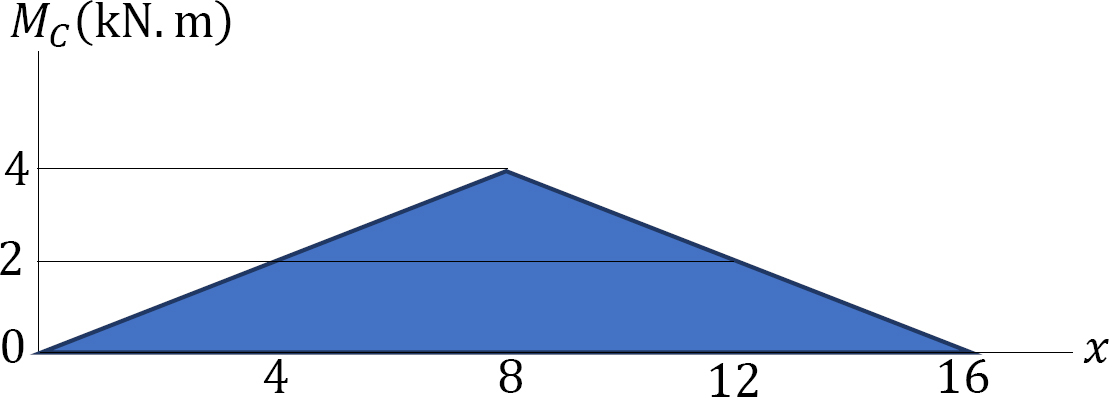
Fig. nine.11c. Influence line for ThousandC .
Influence line for VBC . To obtain the values of the influence line of MVBC , a load of i kN is successively located at console points A, B, C, D, and E. To decide the shear forcefulness, utilise the equation of statics. The values of FiveC at the respective console points are presented in Table nine.2.
Table 9.2. The values of VC at the corresponding panel points.
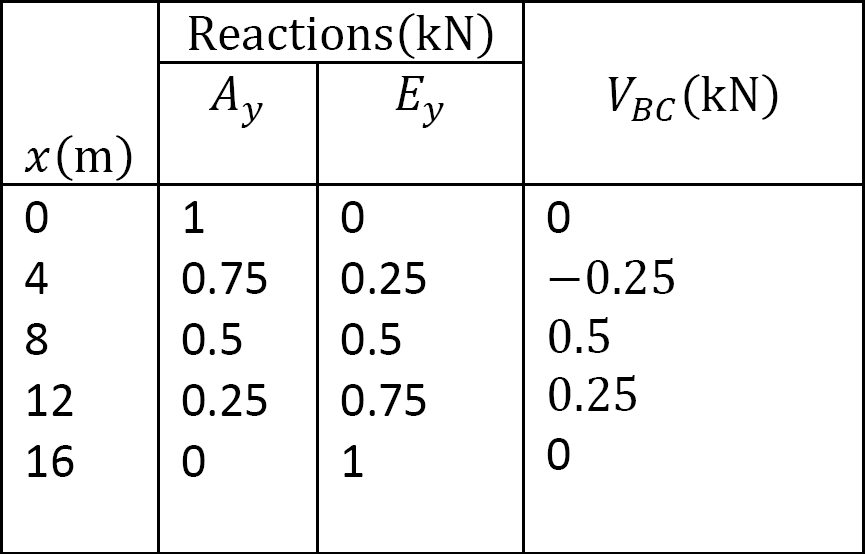
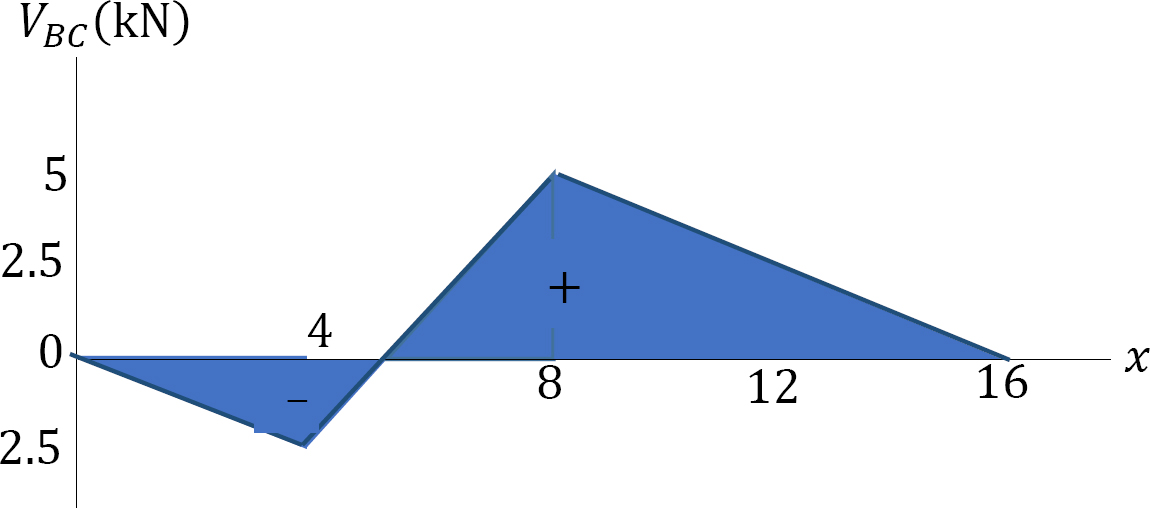
Fig. ix.11d. Influence line for VBC .
9.3.4 Influence Lines for Trusses
The process for the structure of influence lines for truss members is similar to that of a girder supporting a floor organization considered in section 9.3.three. Loads can exist transmitted to truss members via the height or lesser panel nodes. In Figure 9.12 the load is transmitted to members through the peak panel nodes. Equally the live loads move across the truss, they are transferred to the top panel nodes by cross beams and stringers. The influence lines for centric forces in truss members can be constructed by connecting the influence line ordinates at the panel nodes with straight lines.
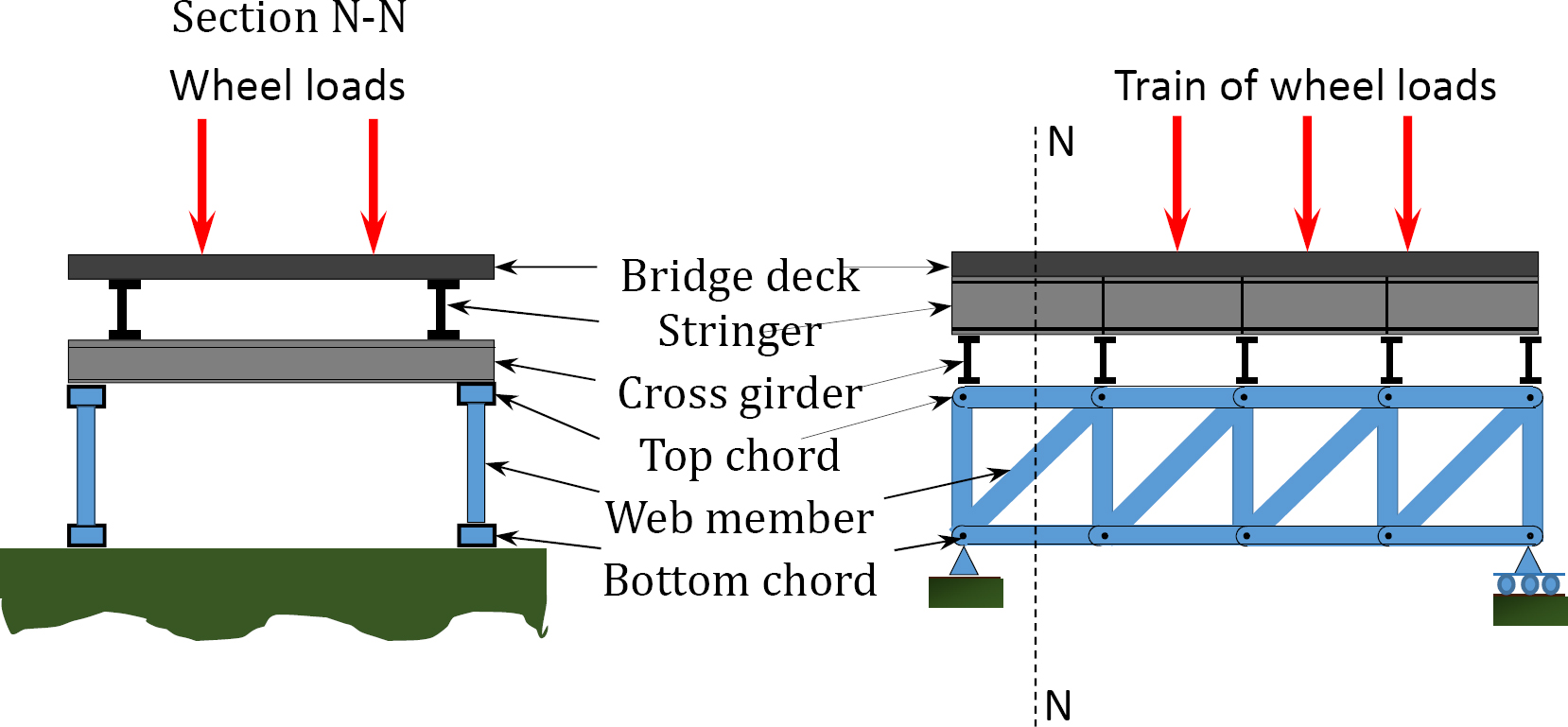
Fig. ix.12. Load transfered past system of stringers and cross beams.
To illustrate the procedure for the structure of influence lines for trusses, consider the following examples.
Example 9.6
Draw the influence lines for the reactions Ay , Fy , and for axial forces in members CD, HG, and CG as a unit load moves across the top of the truss, as shown in Figure 9.13.
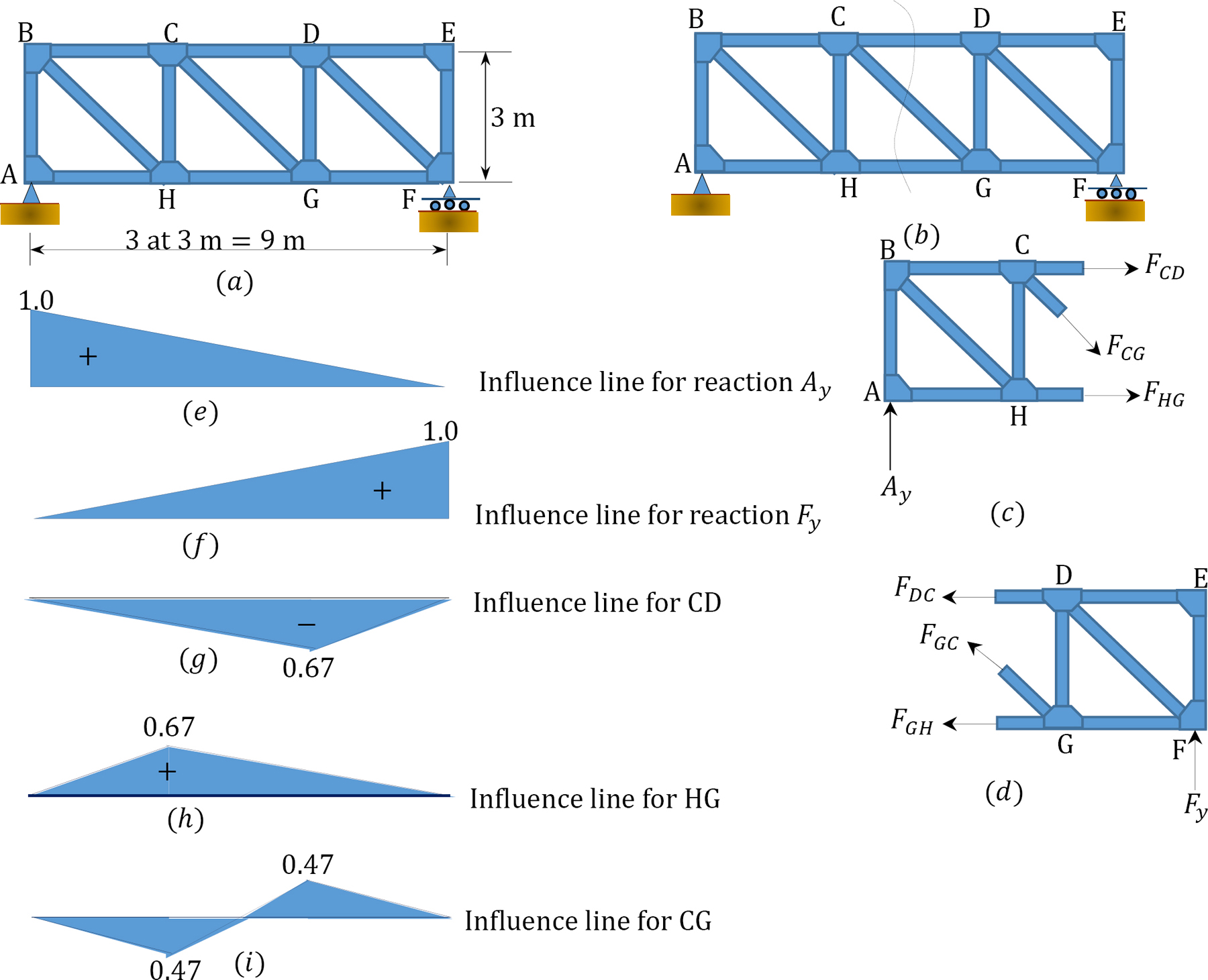
Fig. 9.13. Truss.
Solution
The drawing of the influence lines for trusses is similar to that of a beam. The showtime stride towards drawing the influence lines for the axial forces in the stated members is to pass an imaginary section through the members, as shown in Figure 9.13b, and to utilize equilibrium to the role on either side of the section. The footstep-past-step procedure for drawing the influence line for each of the members is stated below.
Influence line for the axial strength in fellow member CD. When the unit load is situated at any point to the correct of D, because the equilibrium of the left segment AH (Fig. 9.13c), it suggests the following:

The obtained expression of FCD in terms of Ay is indicative of the fact that the influence line for FCD in the portion DE tin be determined by multiplying the corresponding portion of the influence line for the reaction Ay by – 2. The influence line for Ay is shown in Effigy nine.13e.
When the unit load is situated at whatever signal to the left of C, considering the equilibrium of the correct segment GF (Fig. nine.13d), it suggests the post-obit:

The obtained expression of FCD in terms of Fy is indicative of the fact that the influence line for FCD in the portion AH can be adamant by multiplying the corresponding portion of the influence line for the reaction Fy past – 1. The influence line for Fy is shown in Figure 9.13f.
The influence line of the axial force in fellow member CD constructed from the influence lines for the reactions Ay and Fy is shown in Figure 9.13g.
Influence line for fellow member HG. When the unit load is situated at whatever point to the right of D, considering the equilibrium of the left segment AH (Fig. 9.13c), it suggests the post-obit:

The obtained expression of FHG in terms of Ay implies that the influence line for FHG in the portion DE is identical to that of Ay within the respective segment.
When the unit load is situated at whatever betoken to the left of C, considering the equilibrium of the right segment GF (Fig. 9.13d), it suggests the post-obit:

The obtained expression of FHG in terms of Fy is indicative of the fact that the influence line for FHG in the portion AH can exist adamant by multiplying the corresponding portion of the influence line for the reaction Fy by 2.
The influence line of the axial force in member HG constructed from the influence line for the reactions Ay and Fy is also shown in Figure 9.13h.
Influence line for the axial force in fellow member CG. When the unit load is situated at any signal to the right of D, considering the equilibrium of the left segment AH (Fig. 9.13C), it suggests the following:

The obtained expression of FCG , with reference to Ay , implies that the influence line for FCG in the portion DE tin can be determined by multiplying the corresponding portion of the influence line for the reaction Ay by one.41.
When the unit load is situated at whatsoever bespeak to the left of C, considering the equilibrium of the correct segment GF (Fig. 9.13d), it suggests the following:

The obtained expression of FCG in terms of Fy is indicative of the fact that the influence line for FCG in the portion AH can be adamant by multiplying the corresponding portion of the influence line for the reaction Fy by – 1.41.
The influence line of the centric strength in member CG constructed from the influence line for the reactions Ay and Fy is shown in Figure 9.13i.
Case 9.7
Draw the influence lines for the forcefulness in member CH as a unit of measurement load moves across the top of the truss, as shown in Figure nine.14a.

Fig. ix.14. Truss.
Solution
To obtain the expression for the influence line for the axial forcefulness in member CH, first pass an imaginary section that cuts through this member, equally shown in Effigy 9.14a.
When the unit load is situated at any bespeak to the correct of G, considering the equilibrium of the left segment AH (Fig. ix.14 C), it suggests the following:

The obtained expression of FCH in terms of Ay indicates that the influence line for FCH in the portion AH tin can be determined by multiplying the corresponding portion of the influence line for the reaction Ay by – 1.
When the unit of measurement load is located at whatever point to the left of H, because the equilibrium of the right segment GF (Fig. 9.14d), it suggests the following:

The obtained expression of FCH in terms of Fy implies that the influence line for FCH in the portion GF is identical to that of Fy within the respective segment.
The influence line of CG is shown in Figure 9.14g.
9.4 Uses of Influence Lines
ix.4.1 Uses of Influence Lines to Determine Response Functions of Structures Subjected to Concentrated Loads
The magnitude of a response function of a structure due to concentrated loads can be adamant as the summation of the production of the respective loads and the corresponding ordinates of the influence line for that response function. Example 9.v and example 9.vi illustrate such cases.
Case nine.viii
A simple beam is subjected to three concentrated loads, equally shown in Figure ix.15a. Determine the magnitudes of the reactions and the shear force and bending moment at the midpoint of the beam using influence lines.

Fig. 9.xv. Simple beam.
Solution
Start, depict the influence line for the support reactions and for the shearing forcefulness and the bending moment at the midpoint of the axle (run across Fig. ix.15b, Fig. 9.15c, Fig. 9.15d, and Fig. 9.15e). Once the influence lines for the functions are drawn, compute the magnitude of the response functions, as follows:
Magnitude of the support reactions using the influence line diagrams in Figure ix.15b and Figure 9.15c.


Magnitude of the shear force at section north using the influence line diagram in Figure 9.15d.

Magnitude of the angle moment at section northward using the influence line diagram of Figure ix.15e.

Example 9.9
A chemical compound beam is subjected to three full-bodied loads, as shown in Figure 9.16a. Using influence lines, determine the magnitudes of the shear and the moment at A and the support reaction at D.
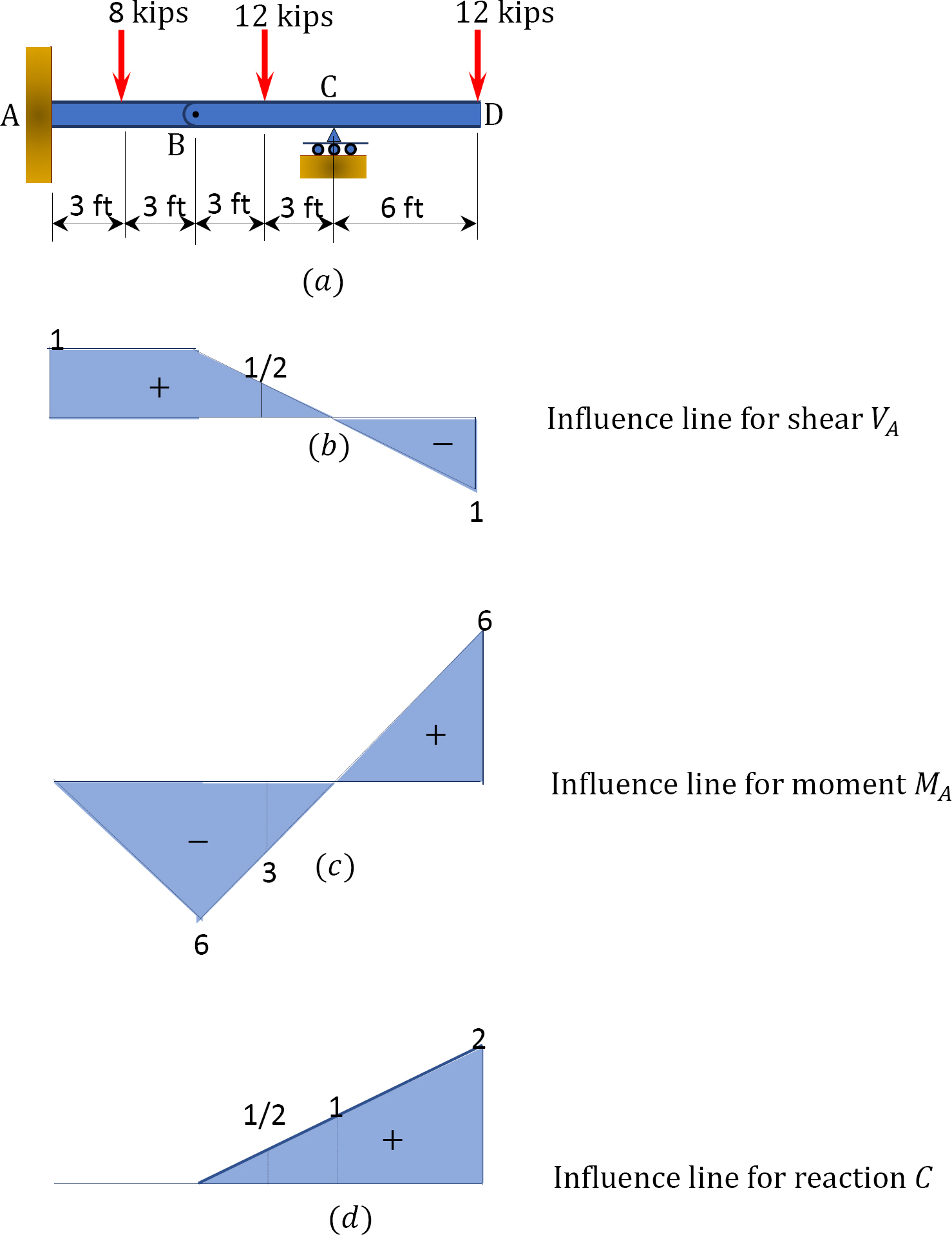
Fig. ix.16. Chemical compound beam.
Solution
Beginning, depict the influence line for the shear force FiveA , bending moment KA , and reaction Cy . The influence lines for these functions are shown in Figure nine.16b, Figure 9.16c, and Effigy 9.16d. Then, compute the magnitude of these response functions, as follows:
The magnitude of the shear at section n using the influence line diagram in Figure ix.16b.

The magnitude of the bending moment at section due north using the influence line diagram in Figure 9.16c.

Magnitude of the support reaction Cy using the influence line diagram in Effigy 9.16d.

9.4.2 Uses of Influence Lines to Determine Response Functions of Structures Subjected to Distributed Loads
The magnitude of a response role of a structure subjected to distributed loads can exist determined equally the product of the intensity of the distributed load and the area of the influence line. Consider a beam subjected to a uniform load ωx , as shown in Figure 9.17a. First, catechumen the uniform load to an equivalent full-bodied load. The equivalent elementary concentrated load for a distributed load interim on a differential length dx is as follows:

The magnitude of the response function (rf) due to the elementary concentrated load acting on the structure tin be expressed as follows:

where
y = the ordinate of the influence line at the signal of application of the load dP.
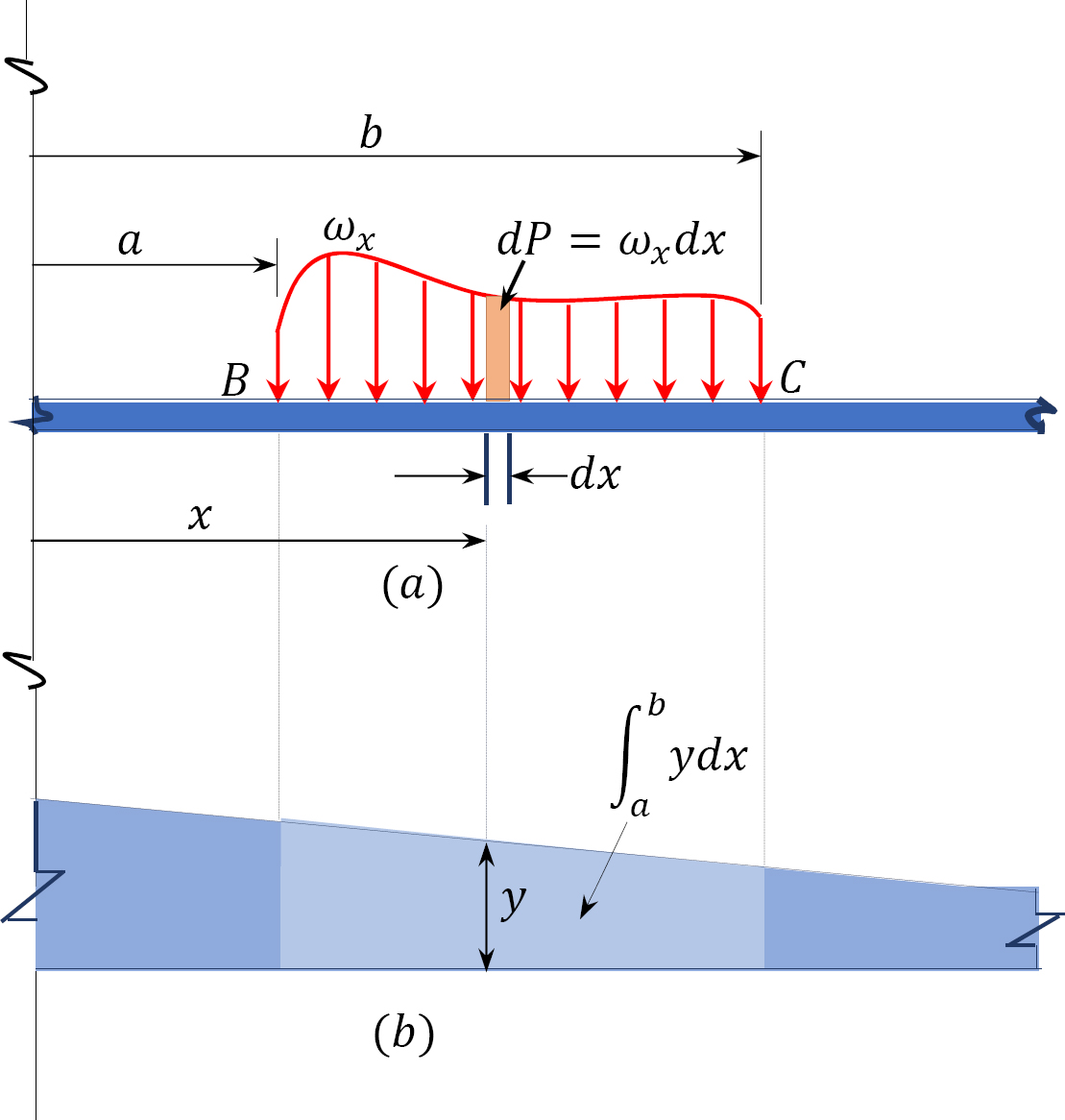
Fig. 9.17. Beam subjected to compatible load.
The total response function (RF) due to the distributed load acting at the segment BC of the beam is obtained by integration, as follows:

The integral 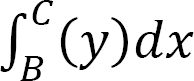 is the area under the portion of the influence line corresponding to the loaded segment of the beam (come across the shaded area in Fig. 9.17b).
Example 9.10
Using influence lines, determine the shear force and the bending moment at the midpoint of the loaded simple beam, every bit shown in Figure 9.18a.
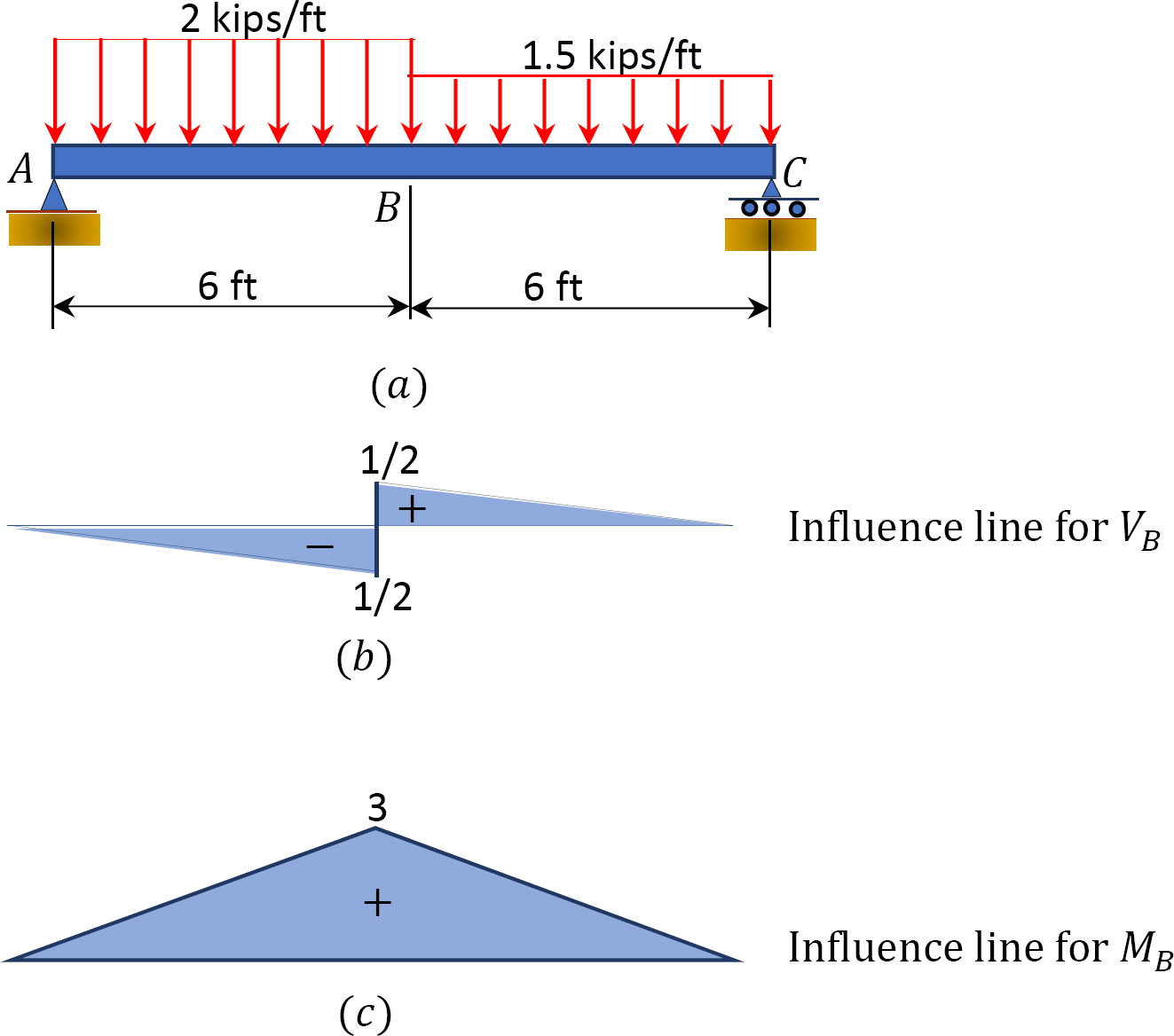
Fig. nine.eighteen. Loaded simple beam.
Solution
Beginning, draw the influence line for the shear force and bending moment at the midspan of the beam. The influence lines for these functions are shown in Figure ix.18b and Figure 9.18c. Then, compute the magnitude of these response functions, as follows:
From the influence line diagram, as shown in Figure nine.18b, the magnitude of the shear at B is as follows:

The magnitude of the bending moment at indicate B, using influence line diagram in Figure ix.18c, is as follows:

Example 9.eleven
A compound axle is subjected to a combined loading, every bit shown in Figure 9.19a. Using influence lines, decide the magnitudes of the reactions at supports A, B, and C.
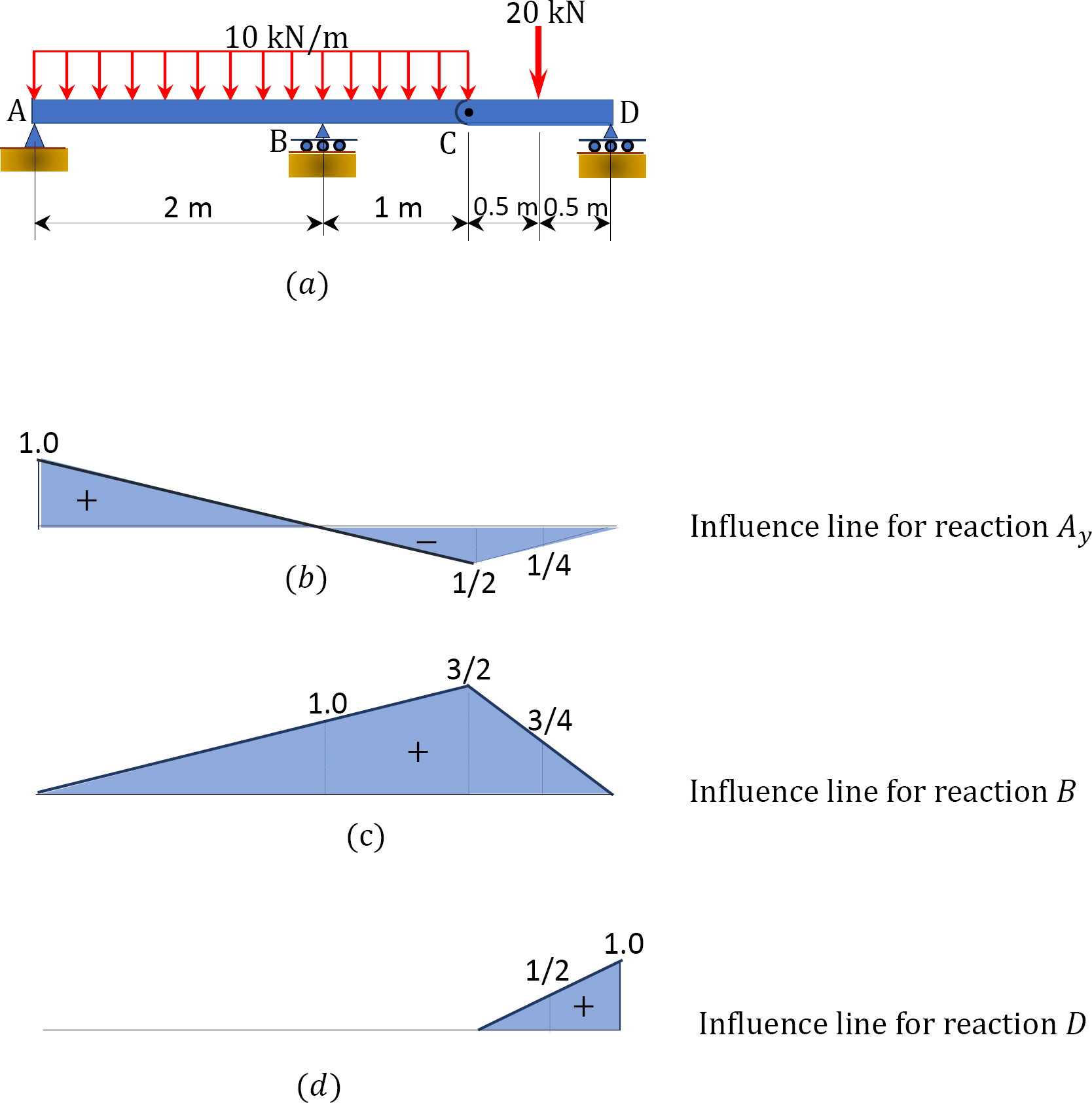
Fig. ix.nineteen. Compound beam subjected to combined loading.
Solution
The magnitude of the support reaction Ay , using the influence line diagram in Effigy 9.19b.

The magnitude of the support reaction By , using the influence line diagram in Figure 9.19c.

The magnitude of the support reaction Dy , using the influence line diagram of Figure ix.19d.

nine.4.3 Use of Influence Lines to Determine the Maximum Consequence at a Point Due to Moving Full-bodied Loads
In the analysis and pattern of structures, such as bridges and cranes subjected to moving loads, it is ofttimes desirable to find the position of the moving load(south) that will produce a maximum influence at a signal. For some structures, this tin be determined by mere inspection, while for most others information technology may crave a trial-and-error process using influence lines. Examples 9.12 and 9.13 illustrate the trial-and-fault process involved when using influence lines to compute the magnitude of sure functions of a beam subjected to a serial of concentrated moving loads.
Example 9.12
Using influence lines, decide the shear forcefulness and bending moment at the midpoint thou of a beam shown in Figure 9.20a. The beam is subjected to a serial of moving concentrated loads, which are shown in Figure nine.20b.
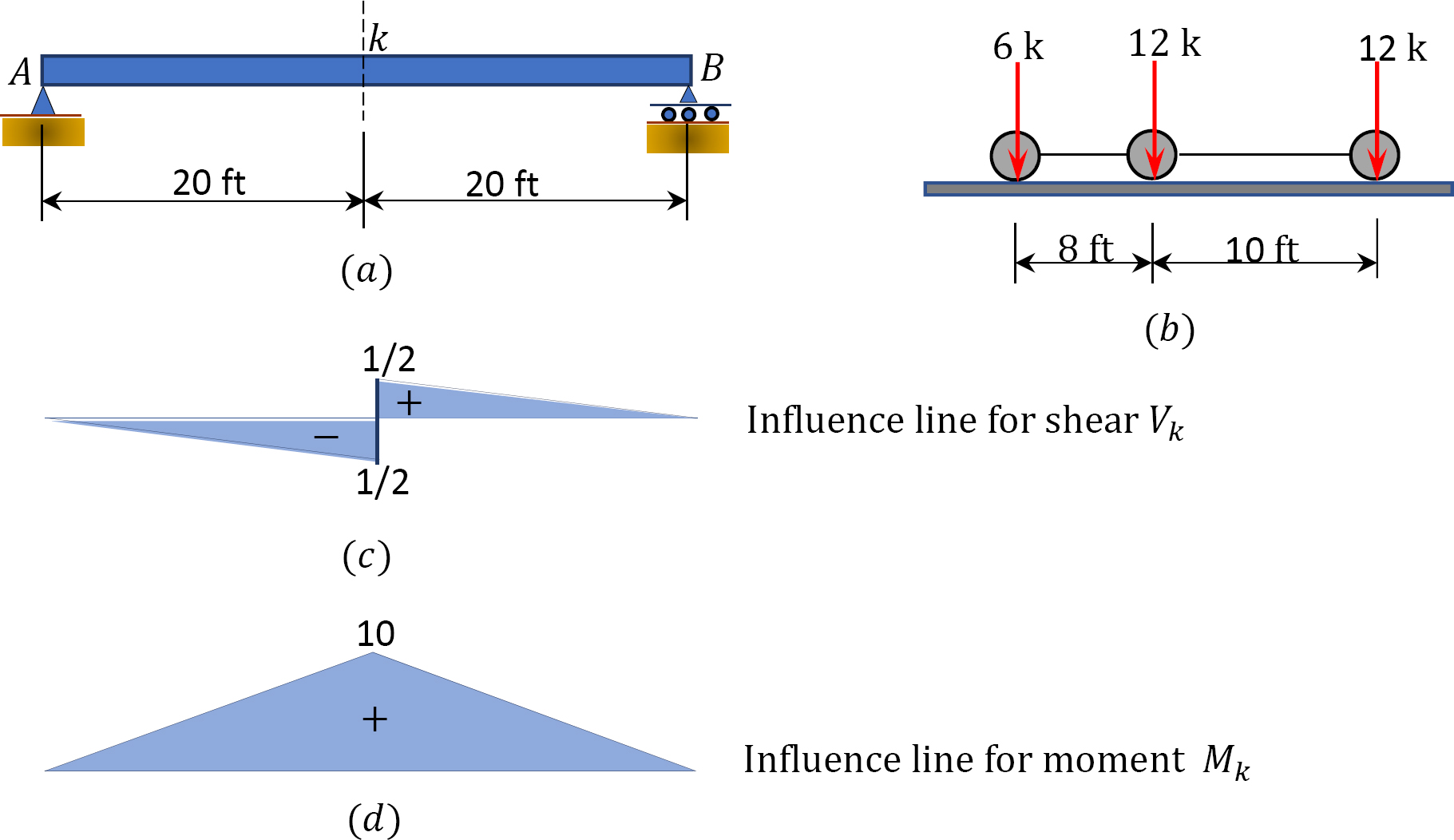
Fig. 9.20. Beam.
Solution
Maximum shear 5k from Figure 9.20c.



Maximum positive shear = 7.8 k
Maximum negative shear = 9.3 k
Maximum moment Chiliadk from Figure 9.20d.


Example 9.13
A compound beam shown in Figure nine.21a is subjected to a series of moving full-bodied loads, which are shown in Figure 9.21b. Using influence lines, determine the magnitudes of the reactions at supports A, B, and C and the bending moment at section n.
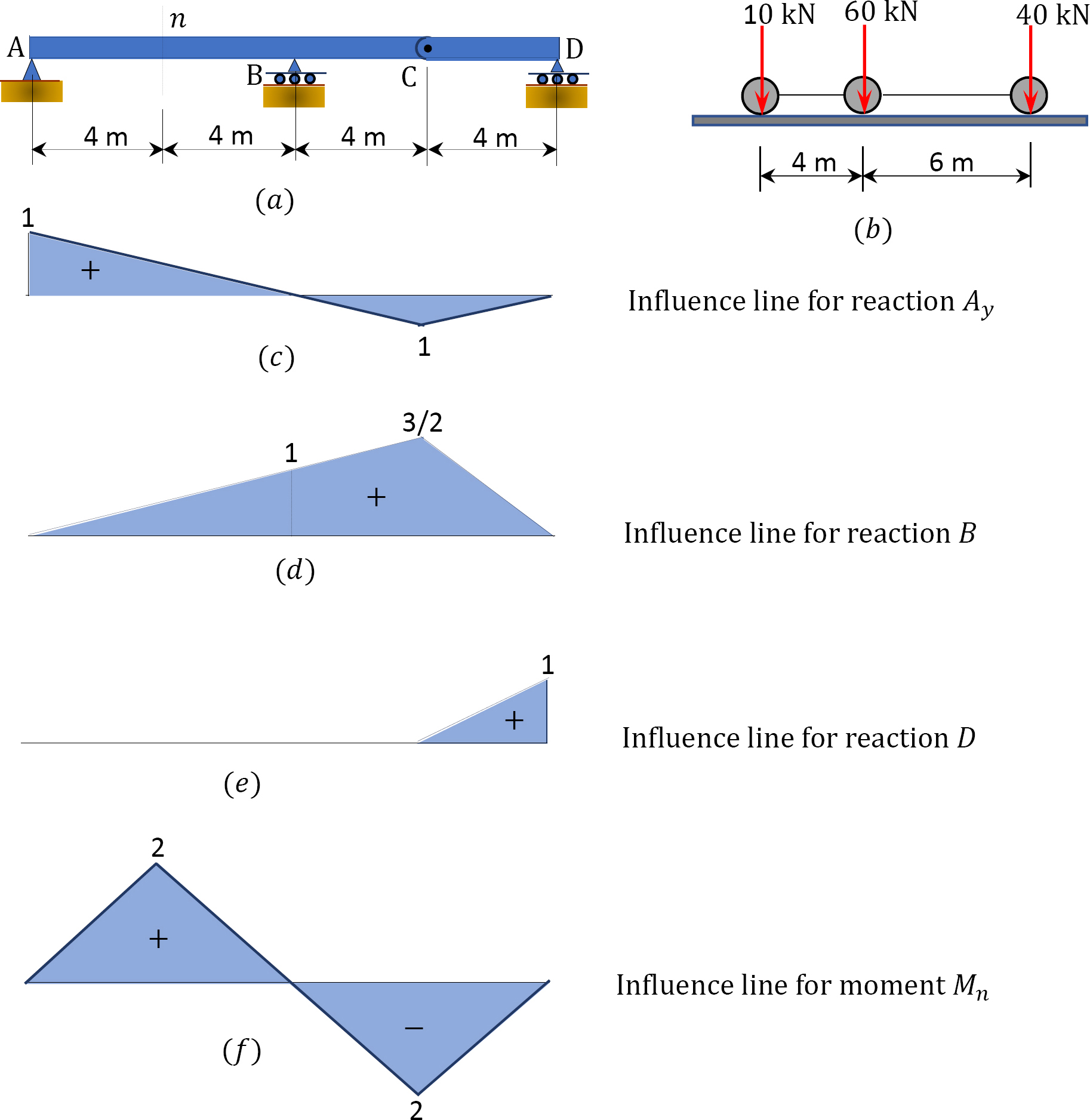
Fig. nine.21. Chemical compound beam.
Solution
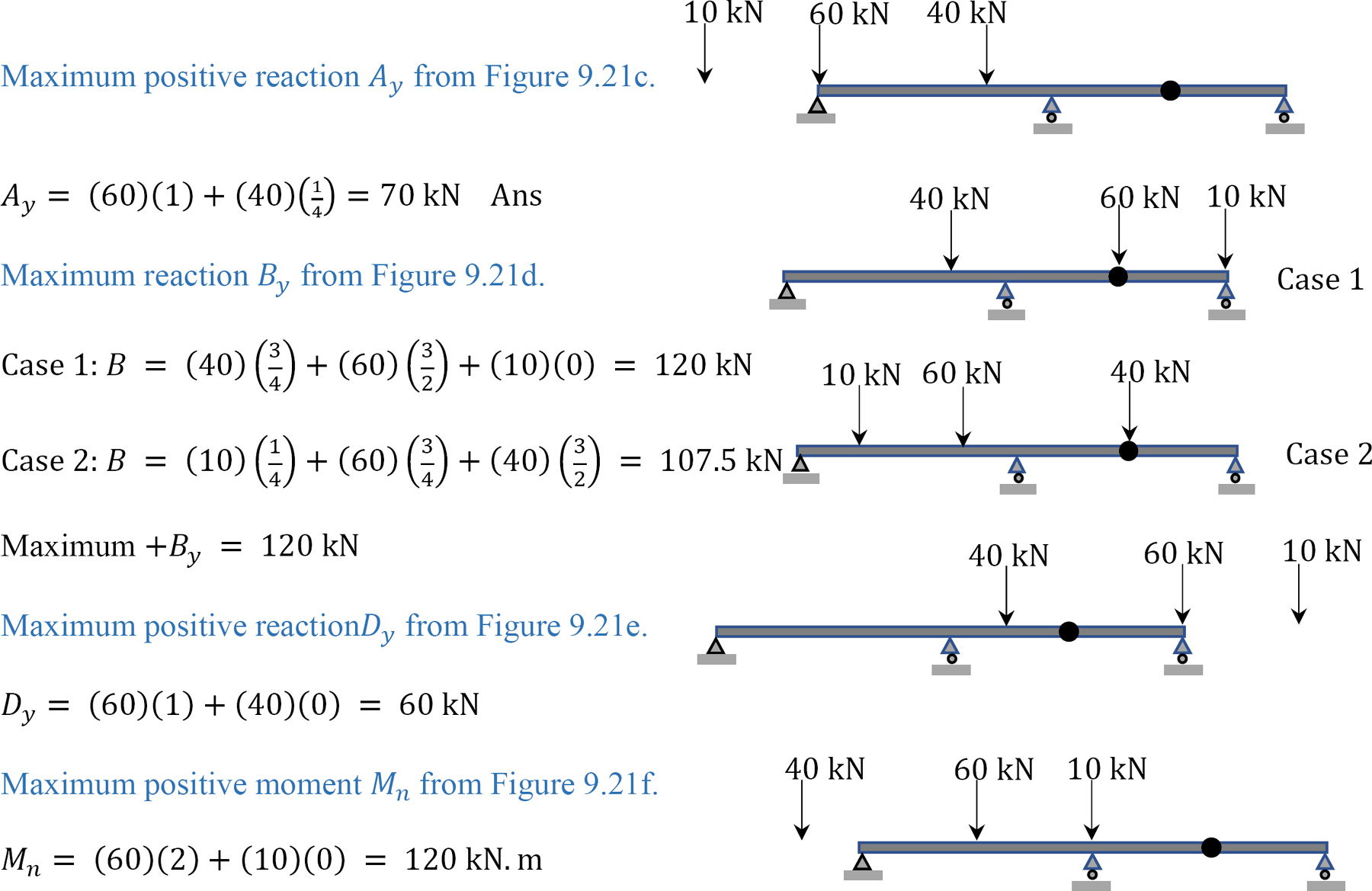
9.4.4 Uses of Influence Lines to Determine Absolute Maximum Response Role at Any Point Along the Structure
The preceding sections explicate the use of influence lines for the determination of the maximum response function that may occur at specific points of a construction. This department will explain the determination of the absolute maximum value of a response function that may occur at any indicate along the entire structure due to concentrated loads exerted past moving loads.
The absolute maximum shear force for a cantilever axle will occur at a point next to the fixed cease, while that for a merely supported beam volition occur close to one of its reactions. The absolute maximum moment for a cantilever beam will also occur close to the fixed terminate, while that for simply supported beam is not readily known and, thus, will require some analysis. To locate the position where the absolute maximum moment occurs in a simply supported beam, consider a beam subjected to three moving concentrated loads P ane, P two, and P three, as shown in Figure 9.22.
Although it is sure from statics that the absolute maximum moment will occur under one of the concentrated loads, the specific load under which information technology will occur must exist identified, and its location along the axle must be known. The full-bodied load under which the absolute maximum moment will occur may be adamant by inspection or past trial-and-error process, but the location of this load should exist established analytically. Assume that the concentrated load under which the absolute maximum moment will occur is P 3, and the altitude of P 3 from the centerline of the axle is x. To obtain an expression for x, first determine the resultant PR of the concentrated loads, acting at a distance x′ from the load P 3.
To determine the right reaction of the beam, have the moment virtually support A, as follows:
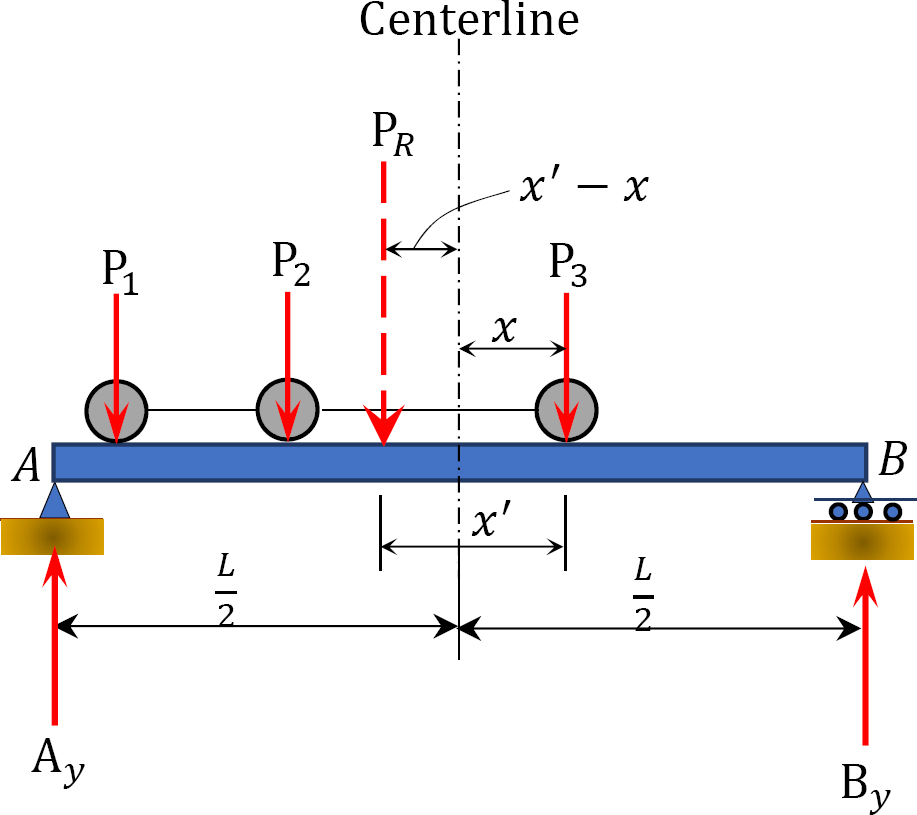
Fig. 9.22. Beam subjected to three moving concentrated loads.
To determine the correct reaction of the axle, take the moment about support A, as follows:

Thus, the bending moment under M 3 is equally follows:

The distance x for which Chiliad 3 is maximum can be determined by differentiating equation 9.nine with respect to x and equating it to nil, as follows:
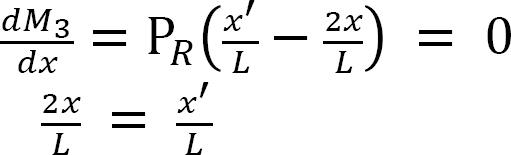
Therefore,

Equation nine.10 concludes that the absolute maximum moment in a simply supported beam occurs under 1 of the concentrated loads when the load under which the moment occurs and the resultant of the system of loads are equidistant from the center of the axle.
Example nine.14
Determine the absolute maximum angle moment in a 16 k-long simply supported girder span subjected to a moving truck loading, as shown in Figure 9.23.
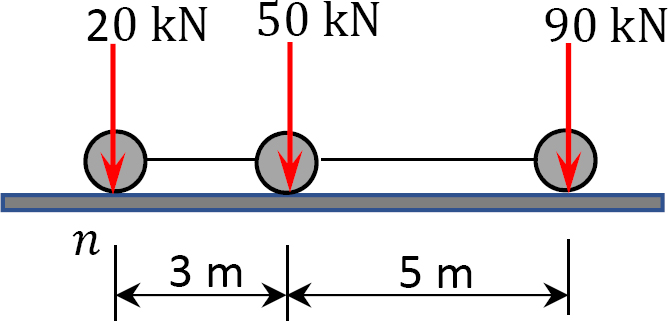
Fig. nine.23. Only supported girder beam.
Solution
Using statics, first determine the value and the position of the resultant of the moving loads.
Resultant load.

Position of the resultant load. To decide the position of the resultant load, take the moment about betoken north, which is directly below the 20 kN load, every bit follows:

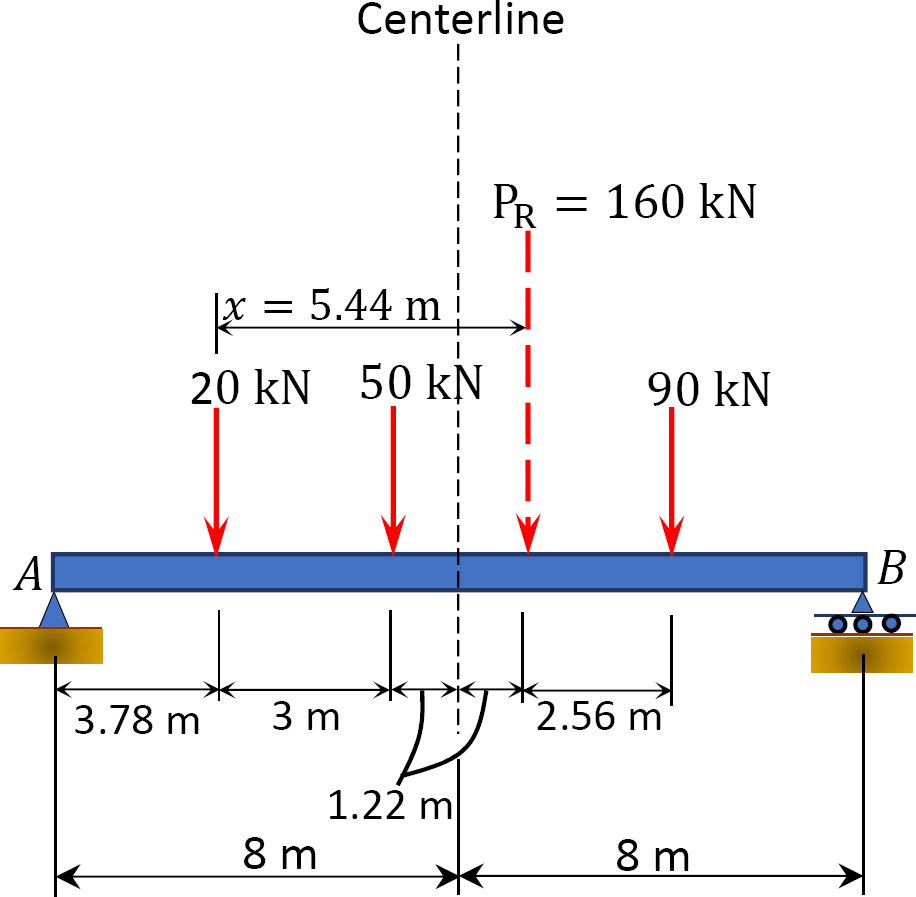
Fig. 9.24. Resultant and load equidistant from centerline of the axle.
If the absolute maximum moment is assumed to occur under the 50 kN load, the positioning of the resultant and this load equidistant from the centerline of the beam is as shown in Figure 9.24. Before computing the absolute maximum moment, first determine the reaction By using statics.

The absolute maximum moment nether the l kN load is every bit follows:
1000 50 = (92.2)(9.22) – (ninety)(three.78) = 509.88 kN. one thousand
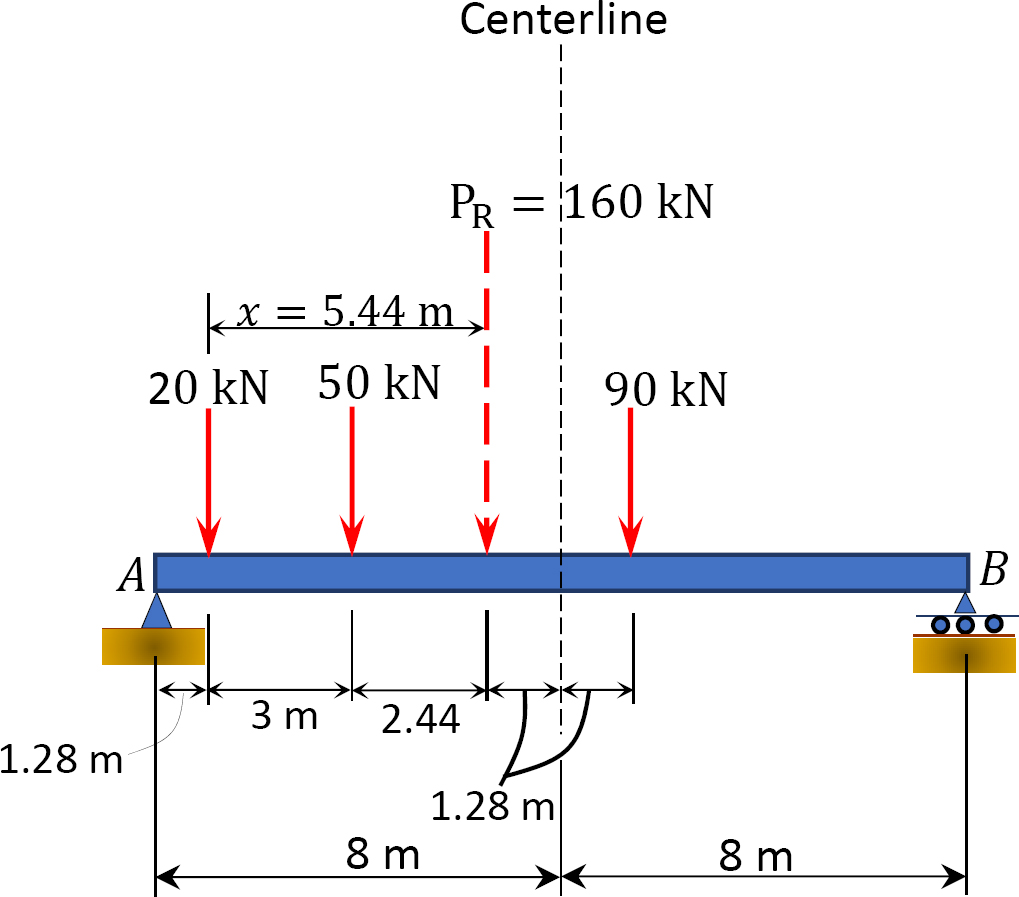
Fig. 9.25. Resultant and load equidistant from centerline of the beam.
If the accented maximum moment is assumed to occur under the xc kN load, the positioning of the resultant and this load equidistant from the centerline of the axle will be equally shown in Figure 9.25.
Before calculating the absolute maximum moment, first determine the reaction By using statics.

The absolute maximum moment under the 90 kN load is equally follows:

From the two possible cases considered in the solution, it is axiomatic that the accented maximum moment occurs under the fifty kN force.
Chapter Summary
Influence lines for statically determinate structures: The event of a moving load on the magnitude of sure functions of a structure, such as support reactions, deflection, and shear force and moment, at a section of the structure vary with the position of the moving load. Influence lines are used to study the maximum consequence of a moving load on these functions for design purposes. The influence lines for determinate structures tin be obtained by the static equilibrium method or past the kinematic or Muller-Breslau method. The influence lines by the erstwhile method can be determined quantitatively, while those for the latter method can exist obtained qualitatively, equally have been demonstrated in this chapter. Several instance bug are solved showing how to construct the influence lines for beams and trusses using the afore-stated methods.
Practice Bug
ix.1 Draw the influence line for the shear force and moment at a section northward at the midspan of the simply supported beam shown in Figure P9.ane.
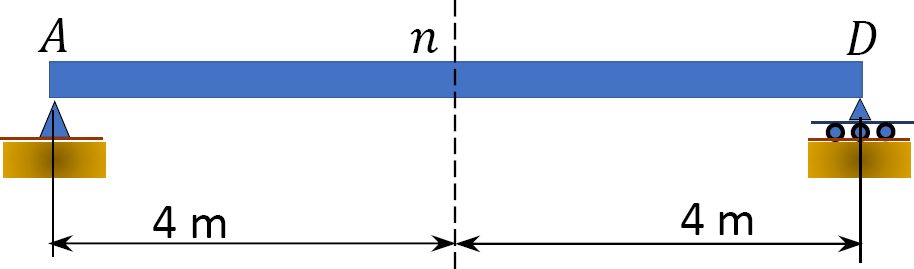
Fig. P9.one. Simply supported beam.
9.2 Draw the influence lines for the reaction at A and B and the shear and the bending moment at signal C of the beam with overhanging ends, as shown in Figure P9.ii.
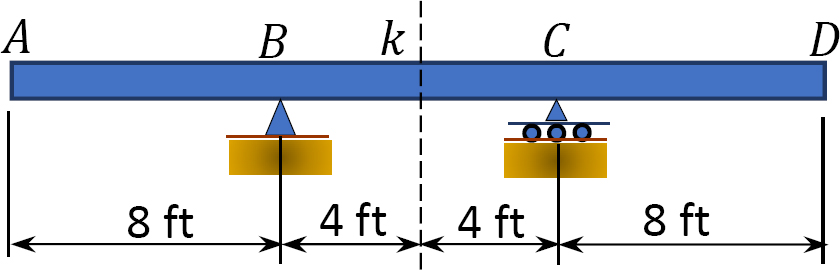
Fig. P9.ii. Beam with overhang.
9.3 Draw the influence line for the reactions at the support of the cantilever beam shown in Figure P9.3.
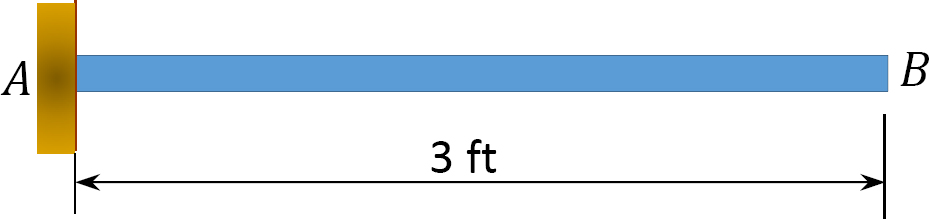
Fig. P9.3. Cantilever beam.
9.4 Describe the influence line for the support reactions at B and D and shear and bending moments at section north of the beam shown in Effigy nine.four.
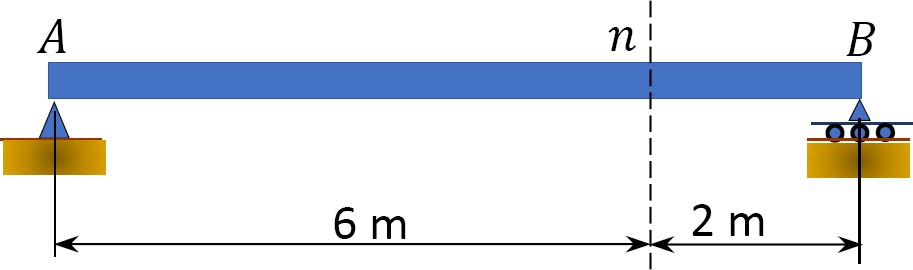
Fig. P9.4. Beam
9.5 Draw the influence lines for support reactions at C and D and at betoken B of the compound beam shown in Figure P9.5.
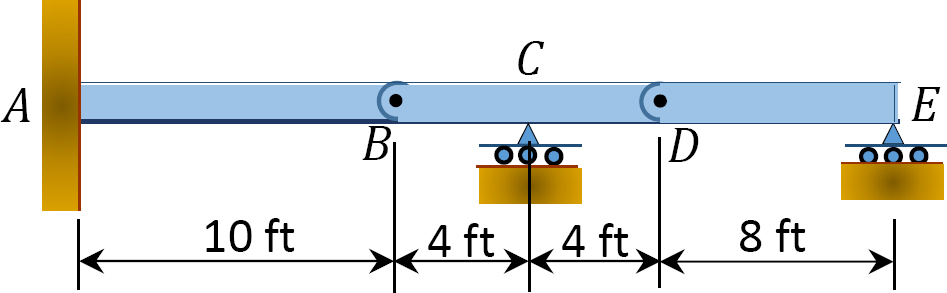
Fig. P9.5. Chemical compound axle.
nine.6 Draw the influence lines for the shear forcefulness and moment at sections northwarddue south and g of the compound beam shown in Figure P9.half-dozen.
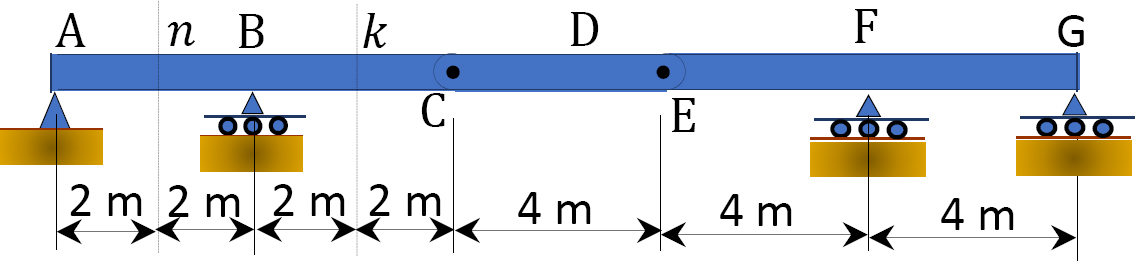
Fig. P9.six. Chemical compound beam.
9.7 Decide the absolute maximum bending moment in a 65 ft-long simply supported girder span subjected to a moving truck loading, as shown in Figure P9.7.
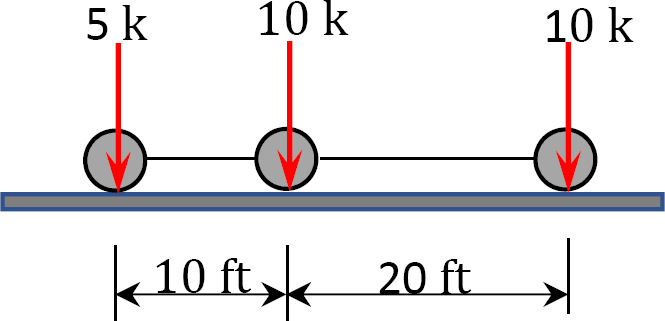
Fig. P9.vii. Only supported girder bridge.
9.8 Determine the absolute maximum bending moment in a 12 thou-long simply supported girder bridge subjected to a moving truck loading, as shown in Effigy P9.8.
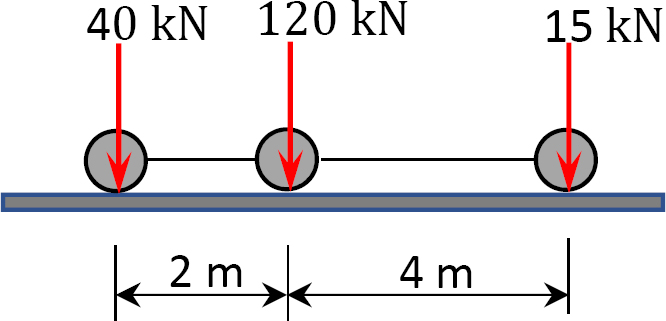
Fig. P9.8. Merely supported girder bridge.
9.9 Determine the absolute maximum bending moment in a xl ft-long simply supported girder bridge subjected to a moving truck loading, as shown in Figure P9.nine.
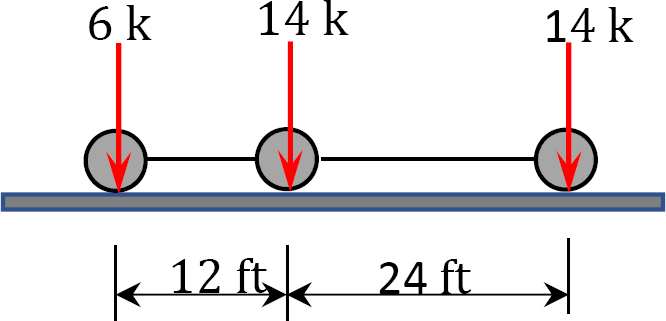
Fig. P9.9. Simply supported girder bridge.
9.10 Determine the absolute maximum bending moment in a 14 g-long simply supported girder span subjected to a moving truck loading, as shown in Figure P9.10.
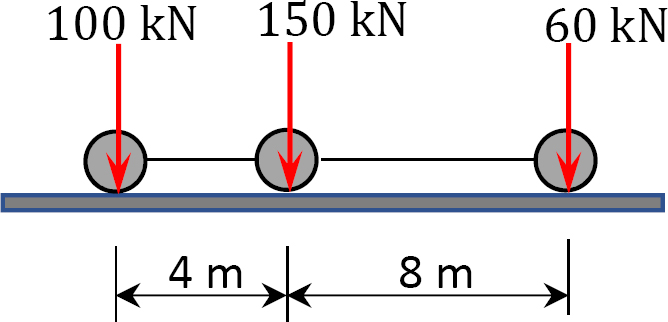
Fig. P9.10. Merely supported girder span.
9.11 Depict the influence lines for the moment at B and the shear forcefulness in panel CD of the floor girder shown in Effigy P9.11.
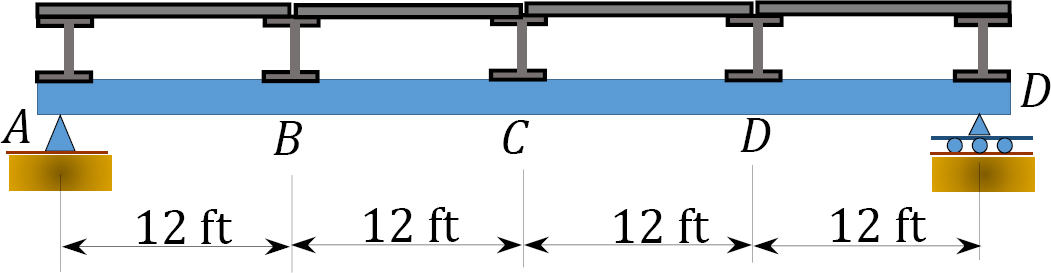
Fig. P9.11. Flooring girder.
9.12 Depict the influence lines for the moment at C and the shear force in panel BC of the flooring girder shown in Figure P9.12.
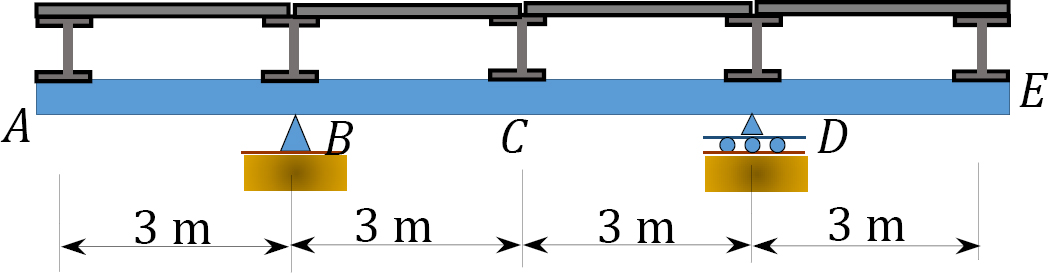
Fig. P9.12. Floor girder.
nine.xiii Draw the influence lines for the moment at B and the shear in panel CD of the flooring girder shown in Figure P9.13.
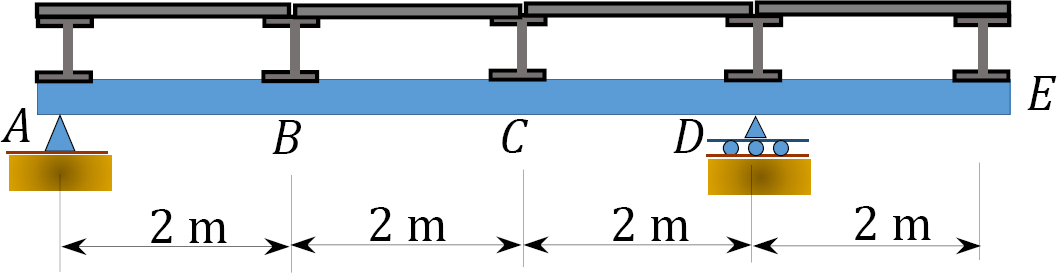
Fig. P9.13. Floor girder.
nine.xiv Describe the influence lines for the moment at D and the shear force in panel DE of the floor girder shown in Effigy P9.xiv.
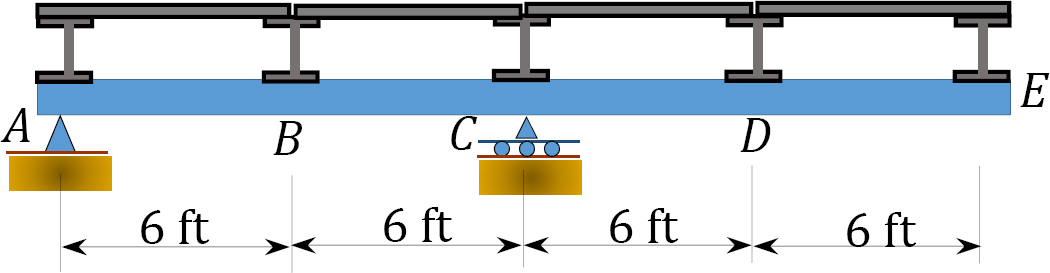
Fig. P9.xiv. Floor girder.
9.fifteen Draw the influence lines for the moment at D and the shear strength in console AB of the floor girder shown in Figure P9.fifteen.
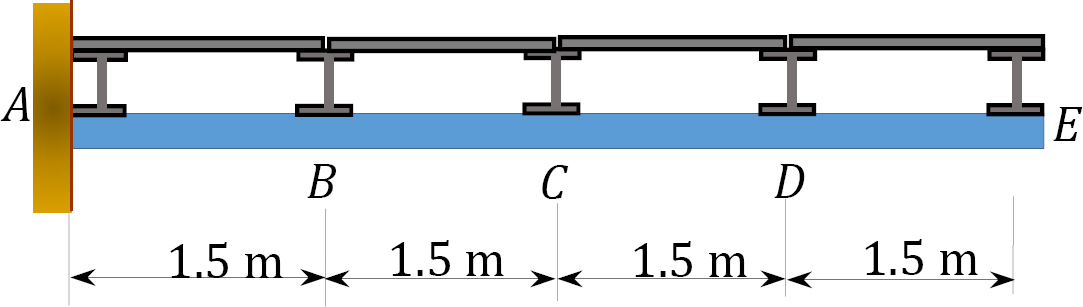
Fig. P9.xv. Floor girder.
nine.16 Depict the influence lines for the forces in members CD, CF, and GF as a unit load moves beyond the summit of the truss, as shown in Figure P9.sixteen.
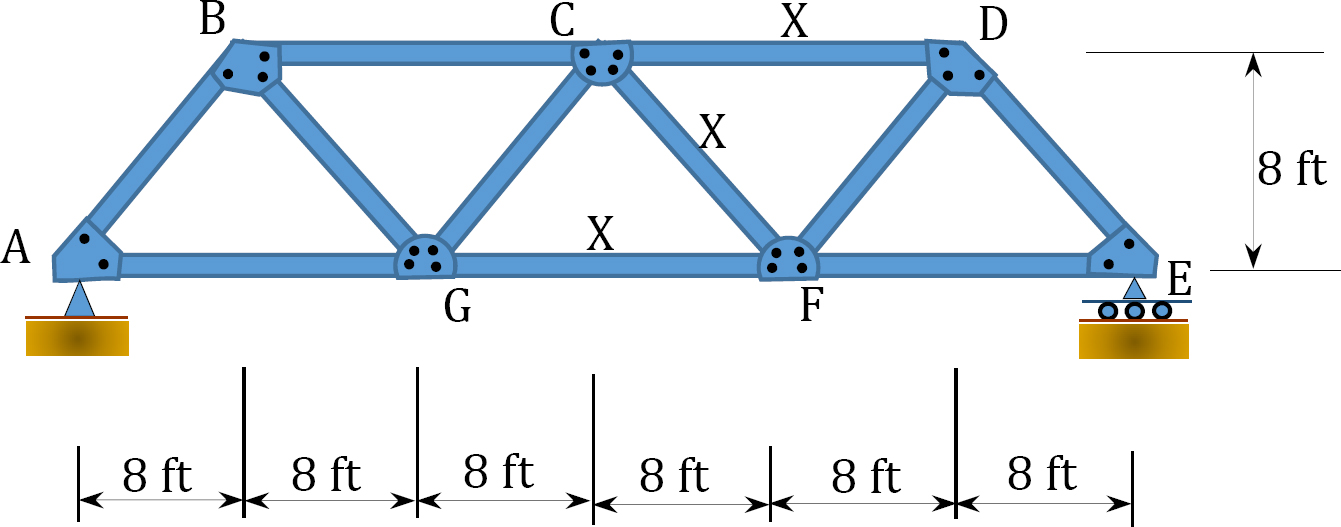
Fig. P9.xvi. Truss.
9.17 Draw the influence lines for the forces in members DE, NE, and NM equally a unit alive load is transmitted to the top chords of the truss, as shown in Figure P9.17.
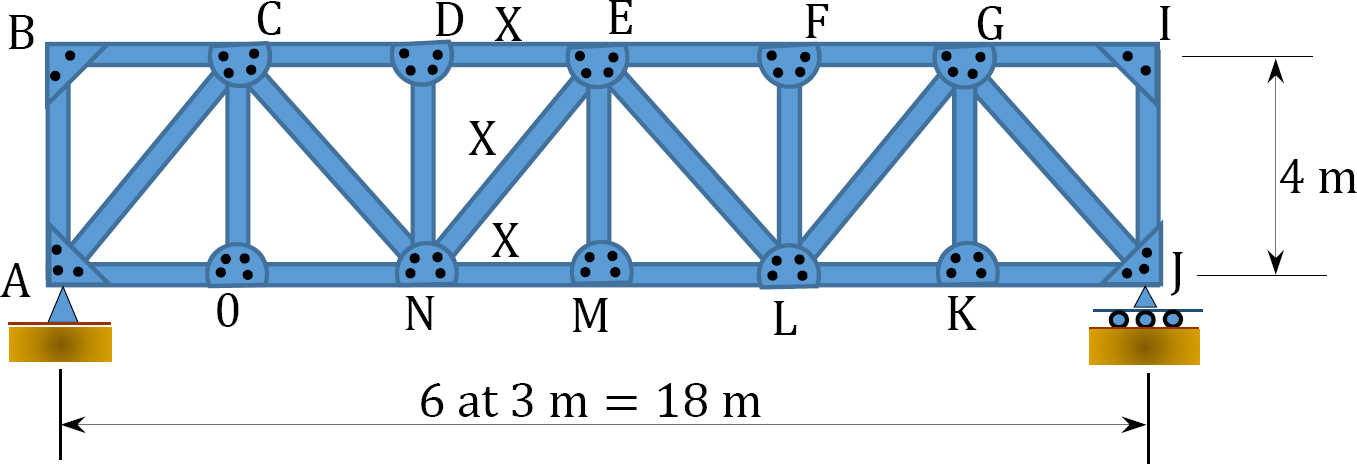
Fig. P9.17. Truss.
9.18 Draw the influence lines for the forces in members DE, DH, IH, and HG as a unit of measurement live load is transmitted to the bottom chords of the truss, equally shown in Figure P9.18.
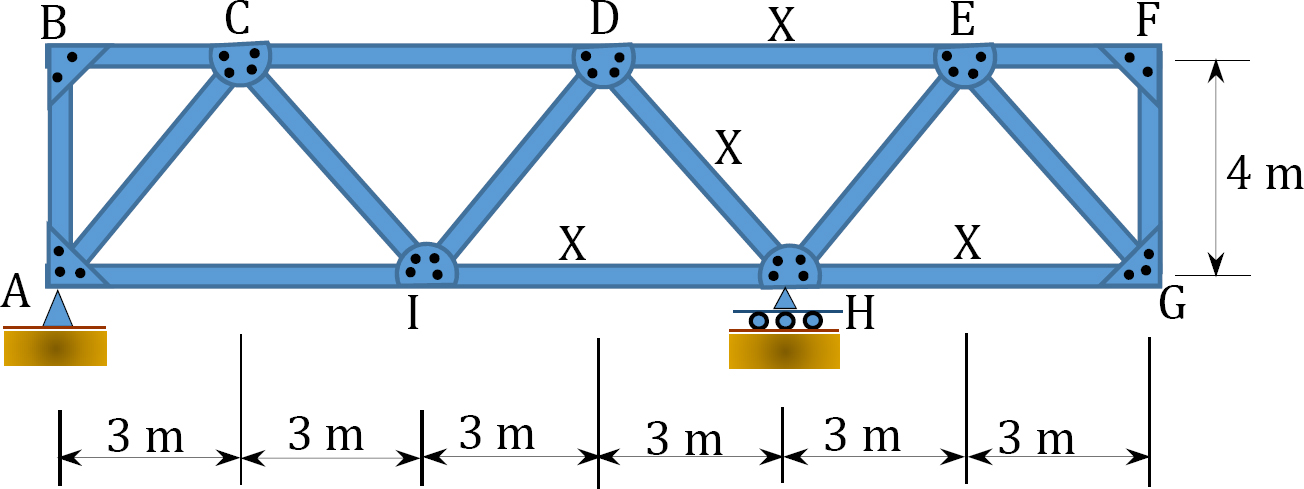
Fig. P9.18. Truss.
nine.19 Describe the influence lines for the forces in members BC, BF, FE, and ED as a unit load moves beyond the bottom chords of the truss, equally shown in Figure P9.19.
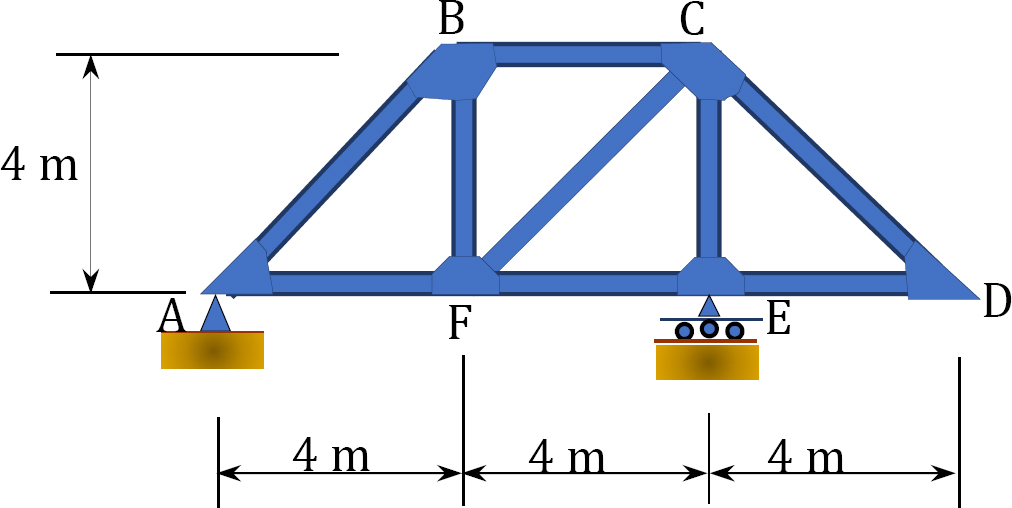
Fig. P9.xix. Truss.
Source: https://eng.libretexts.org/Bookshelves/Civil_Engineering/Book:_Structural_Analysis_%28Udoeyo%29/01:_Chapters/1.09:_Influence_Lines_for_Statically_Determinate_Structures
0 Response to "Draw the Shear and Moment Diagrams for the Beam Chegg"
Enregistrer un commentaire